01
Mini Facelift
A minimally invasive facelift using short, discreet incisions to improve mild to moderate facial laxity, with customized incision placement, limited scarring, and natural contour refinement.
Newline offers personalized facial lifting procedures designed to address different causes of facial aging, including skin laxity, volume changes, sagging soft tissue, and loss of facial definition. Treatment recommendations are individualized according to anatomy, age-related changes, and aesthetic goals.
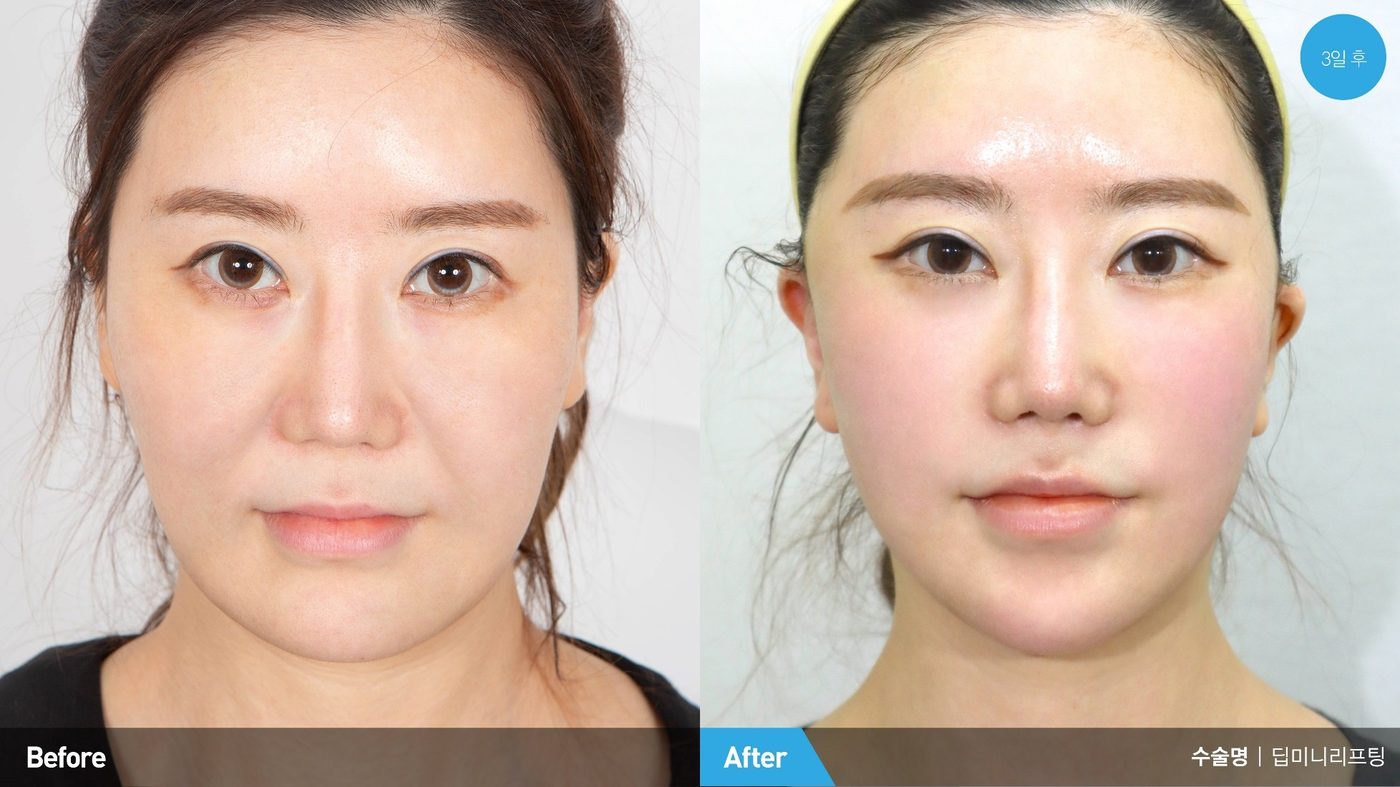
Facial aging is not one problem, so it does not have one answer.
Aging involves skin laxity, volume changes, sagging soft tissue, and loss of facial definition — often together. That is why every patient receives a facial proportion analysis, skin laxity evaluation, fat distribution assessment, and muscle and soft tissue assessment before a procedure is recommended. Options are then selected according to the severity of aging rather than by procedure popularity.
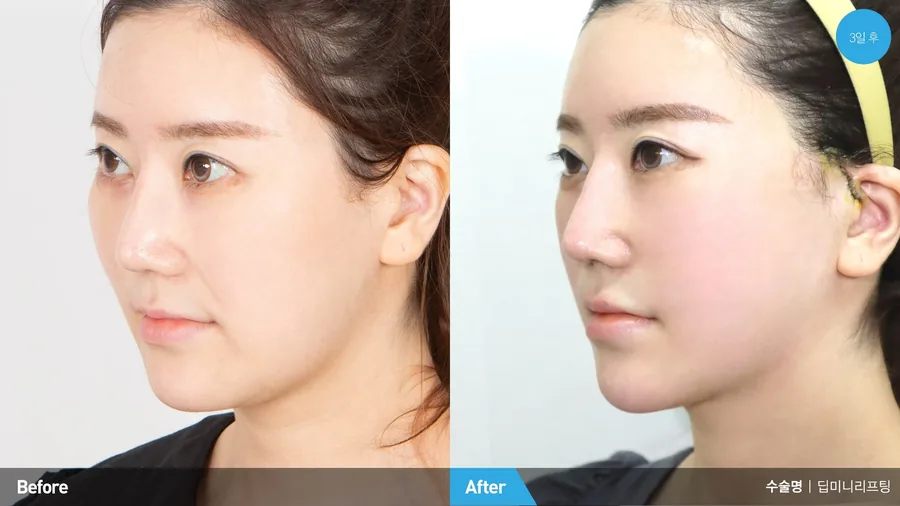
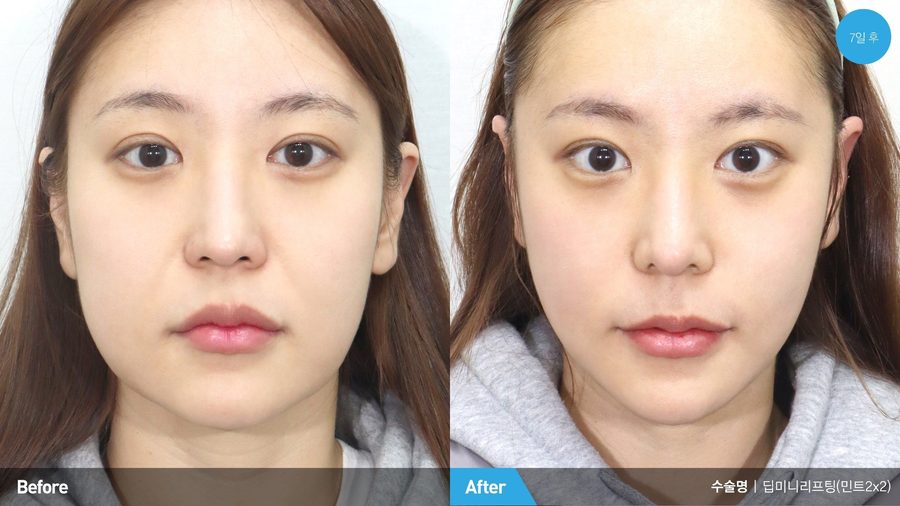
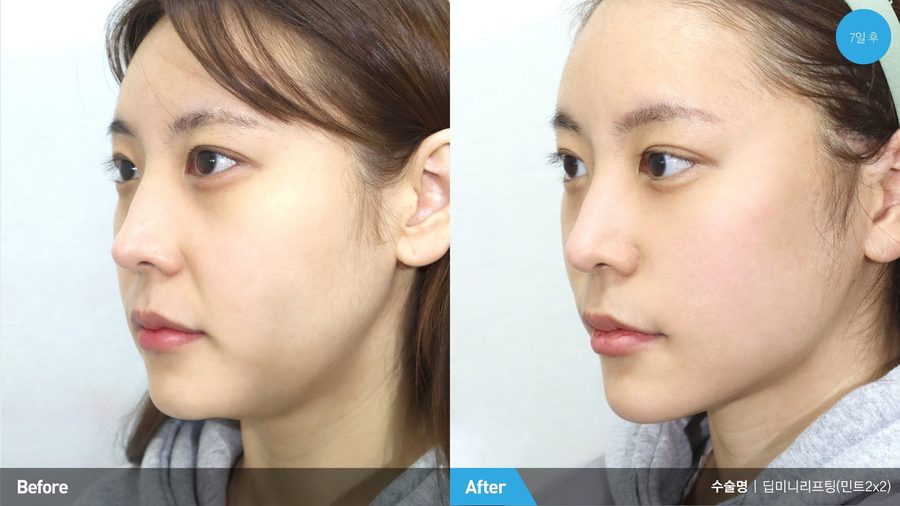
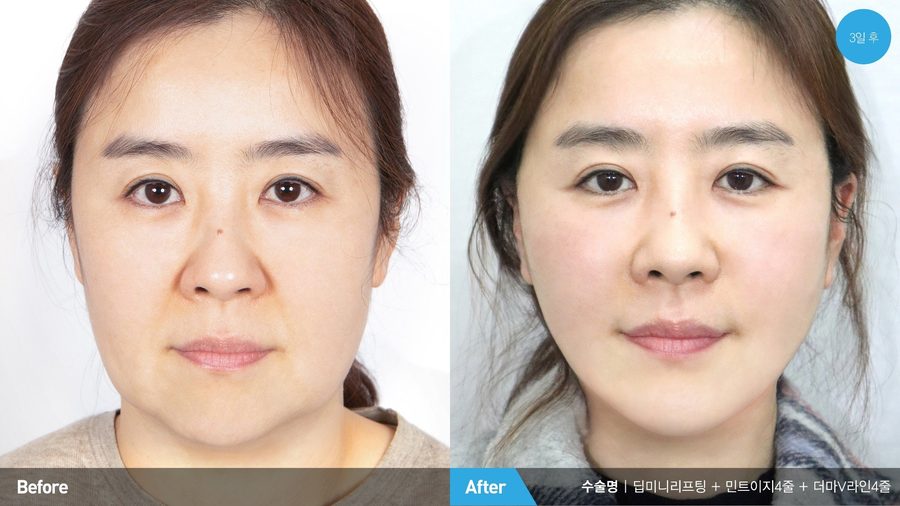
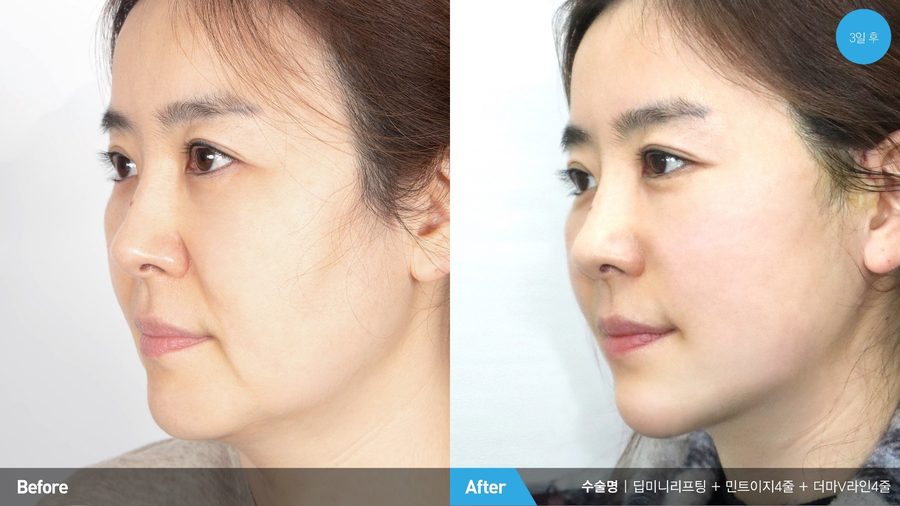
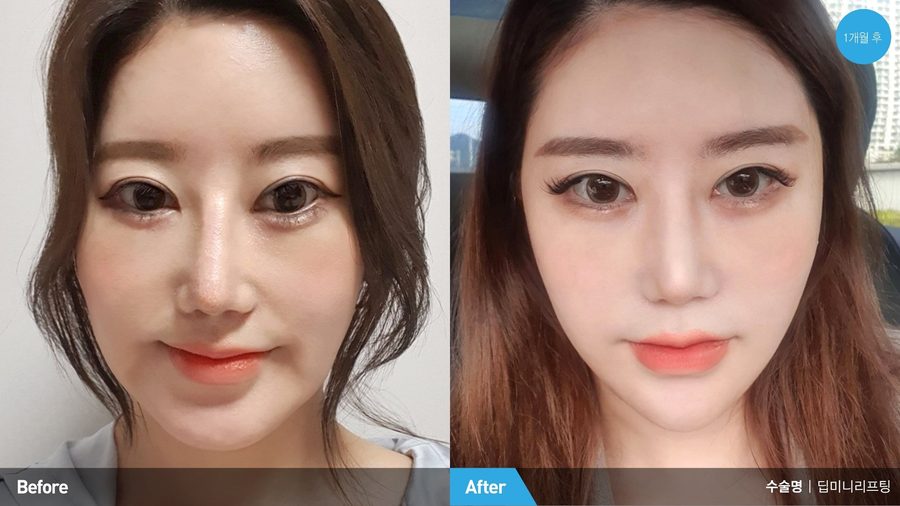
Individual results vary. Photos are standardized examples shown with patient consent and are not a guarantee of outcome.
A minimally invasive facelift using short, discreet incisions to improve mild to moderate facial laxity, with customized incision placement, limited scarring, and natural contour refinement.
Absorbable lifting threads reposition sagging tissue while providing structural support, with individualized thread placement and several thread options selected according to tissue characteristics.
Improves lower facial definition by reducing excess buccal fat and reshaping the masseteric support when appropriate — contour refinement rather than simple fat removal.
Shortens a high forehead and improves facial proportion using carefully concealed hairline incisions while preserving a natural hairline whenever appropriate.
Upper blepharoplasty, lower blepharoplasty, and under-eye fat repositioning are offered as complementary rejuvenation procedures for selected patients.
For patients whose sagging comes from deeper structures, SMAS-based approaches reposition support tissue rather than tightening skin alone.
| Why it matters | |
|---|---|
| Facial proportion analysis | The face is planned as a whole, not as isolated areas |
| Skin laxity evaluation | Determines whether skin tightening alone can help |
| Fat distribution assessment | Volume loss and excess are different problems with different answers |
| Muscle & soft tissue assessment | Deeper descent is not corrected by surface treatments |
| Individualized planning | Procedures are selected according to aging severity |
No single lifting procedure is right for everyone. The appropriate option depends on your anatomy, age-related changes, and goals, determined during consultation.
Treatment is built around your anatomy rather than a standard package.
The aim is refreshed rather than obviously operated.
Procedures are selected according to how advanced the changes are.
Recovery is planned for the specific procedure performed.
Areas are treated in relation to overall facial balance.
A consultation and examination are required to determine which procedure — or combination — is appropriate for you.
Temporary swelling, bruising, and tightness are expected after surgery.
Recovery varies according to the procedure performed.
Individual postoperative instructions and scheduled follow-up visits are provided.
Structured postoperative management focused on safe recovery.
Your surgeon provides a recovery timeline based on the specific procedure rather than a single universal schedule.
A message from the surgeon, a look inside the clinic, and stories from patients.
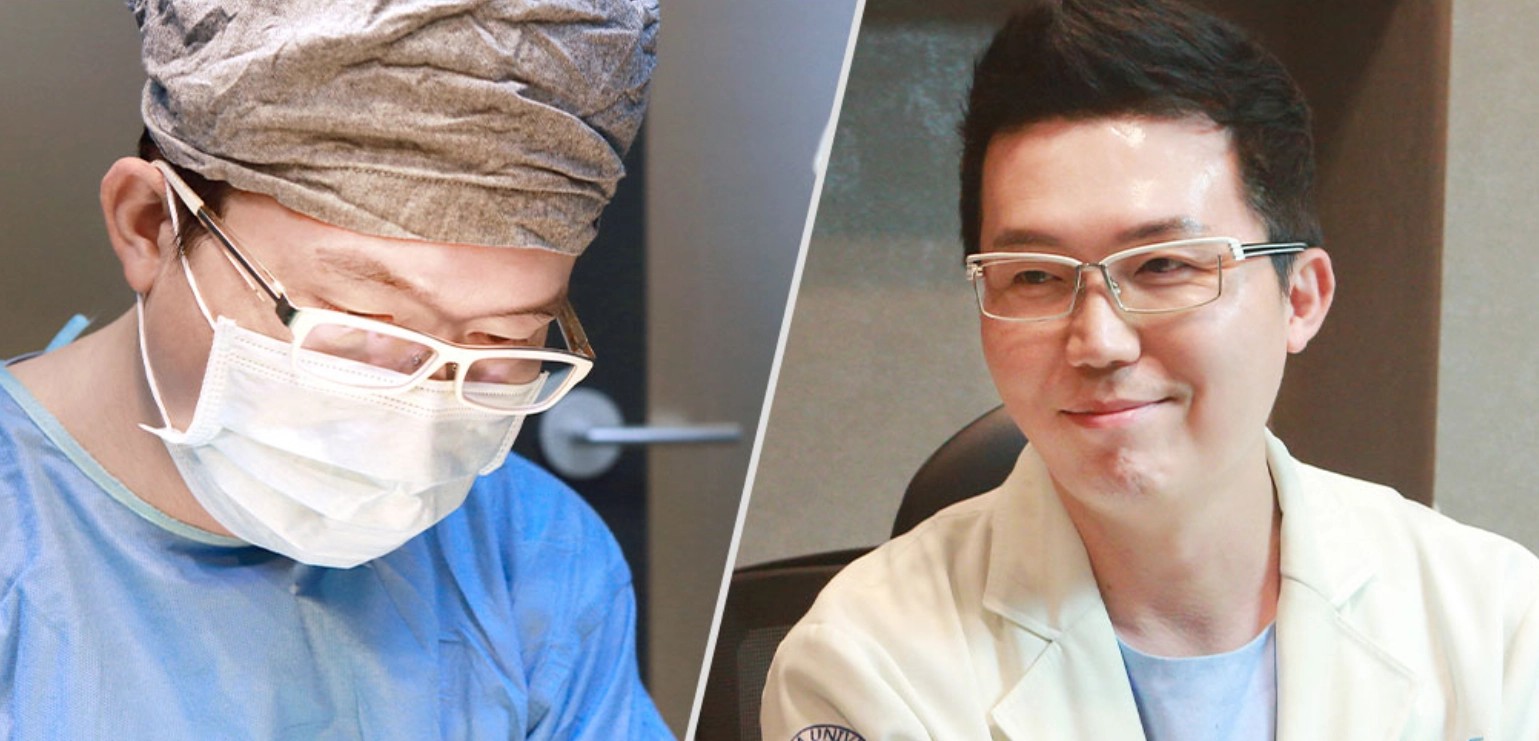
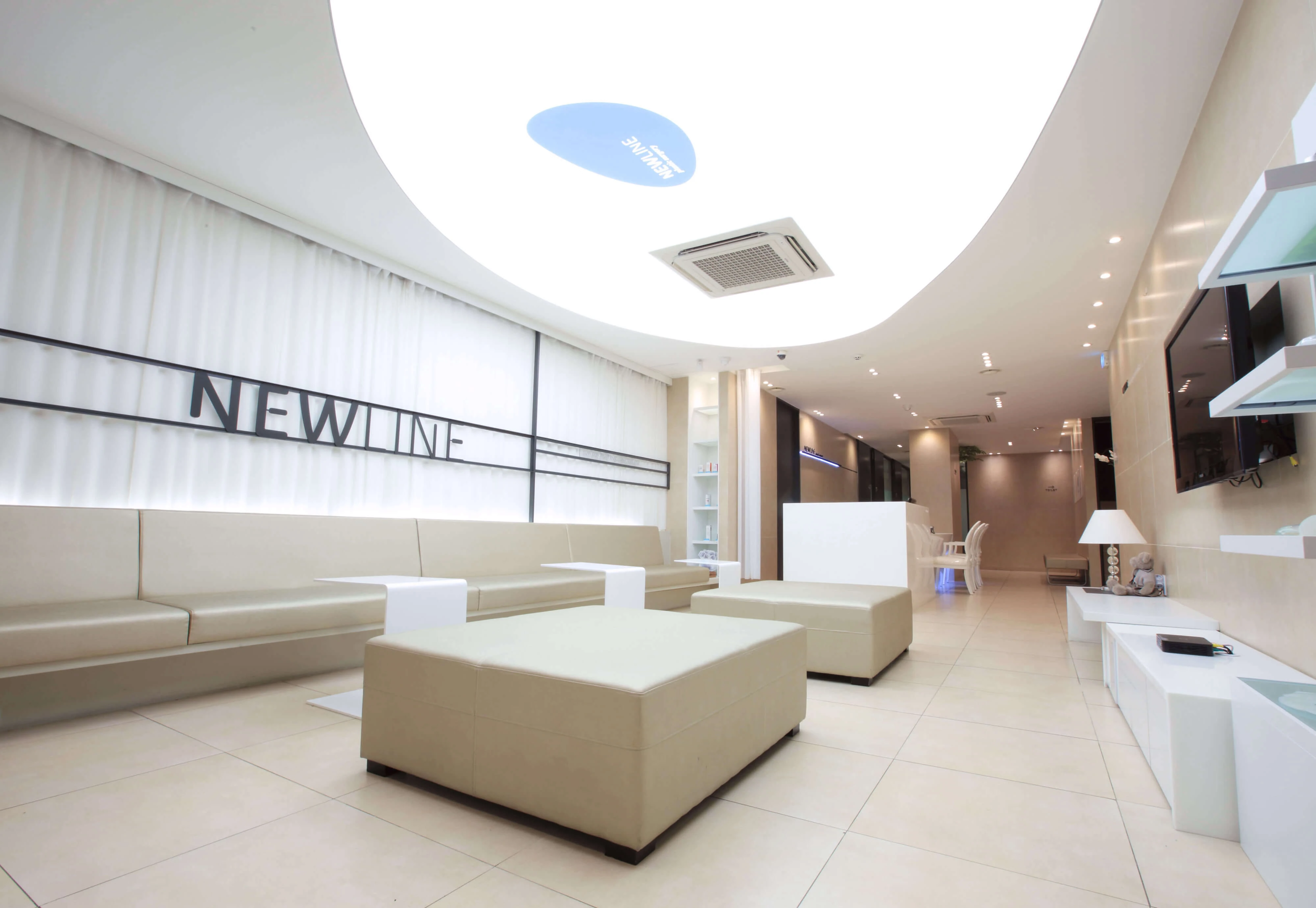
Set each block's data-video to your YouTube video ID to enable playback.
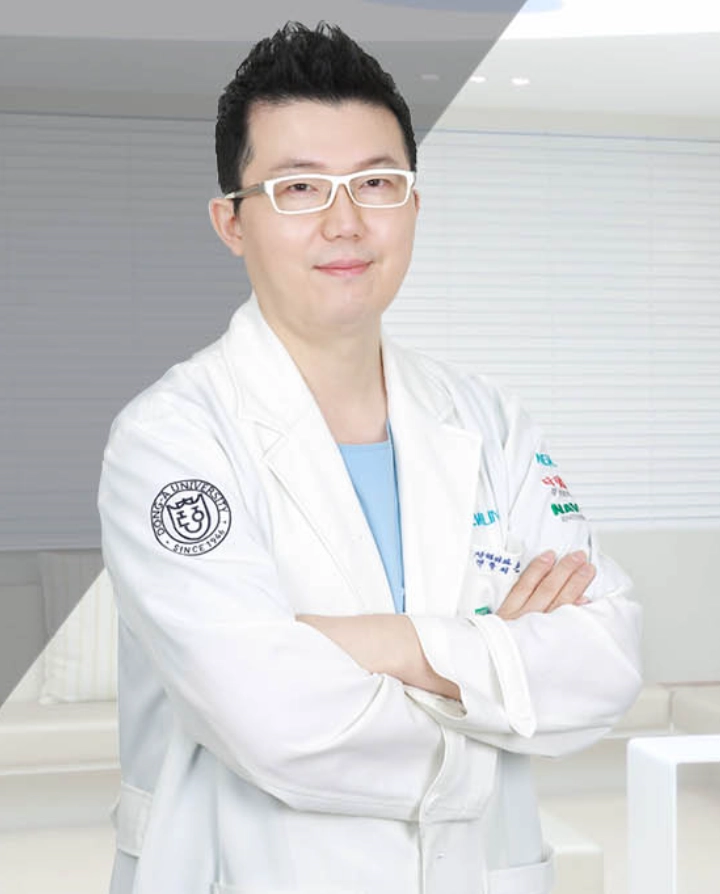 Surgeon Portrait
Patients usually ask which lifting procedure is best.
There is no best — only the one that matches what is actually causing your face to change: skin, volume, or deeper support.
Facial proportion analysis, skin laxity evaluation, fat distribution assessment, and muscle and soft tissue assessment come before any procedure is recommended — so the plan reflects the cause of your aging, not a trend.
Individual results and recovery experiences vary. This page is provided for general educational purposes and does not constitute a diagnosis, treatment recommendation, or guarantee of surgical results. All surgical procedures involve potential risks, including bleeding, infection, asymmetry, scarring, altered sensation, nerve injury, skin or tissue healing problems, dissatisfaction with the outcome, and the possible need for additional treatment. The appropriate procedure and expected outcome can only be determined following an in-person examination and consultation with a qualified medical professional. Newline Clinic is licensed under the Korean Medical Service Act.
Send your details and our international team will get back to you. No obligation — just a starting point.