01
Initial Consultation
Discuss your aesthetic concerns, previous surgery, and desired outcome.
Implant-free rhinoplasty reshapes the nose using your own cartilage — ear, septum, or rib — instead of a synthetic silicone implant. At Newline Clinic, the graft is selected according to your anatomy, available tissue, skin thickness, and goals, for a balanced, natural-looking result.
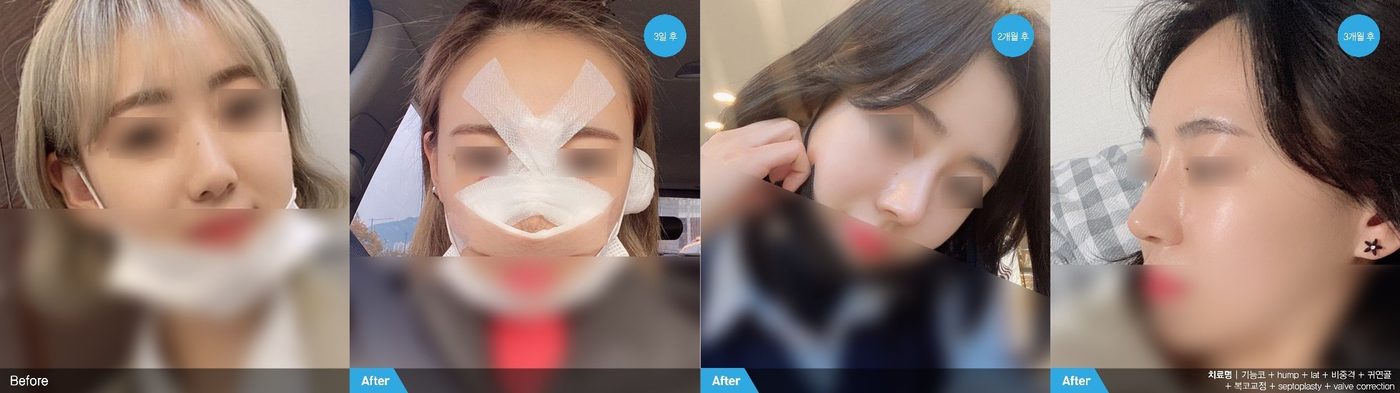
Reshaping the nose with your own tissue — not a silicone implant.
Implant-free rhinoplasty uses the patient's own cartilage instead of relying primarily on a synthetic silicone implant. Ear, septal, or rib cartilage can support the bridge, improve tip projection, reinforce weakened structures, or create a more harmonious contour. The type and amount of cartilage depend on your existing nasal structure and desired degree of correction, determined after an individualized consultation and examination.
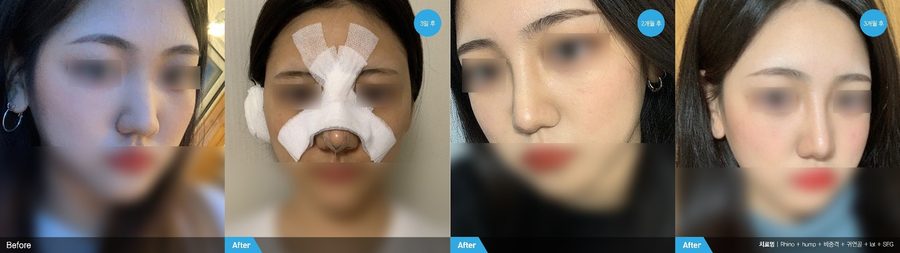
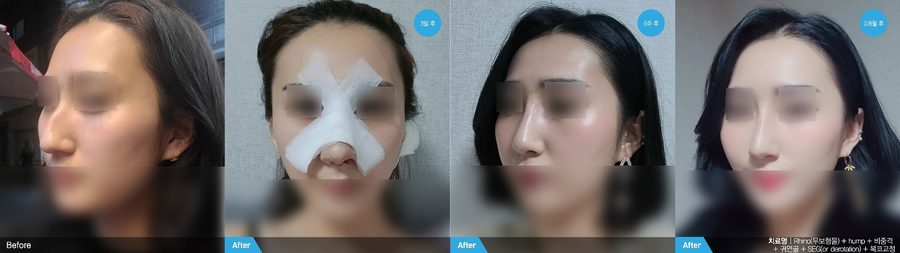
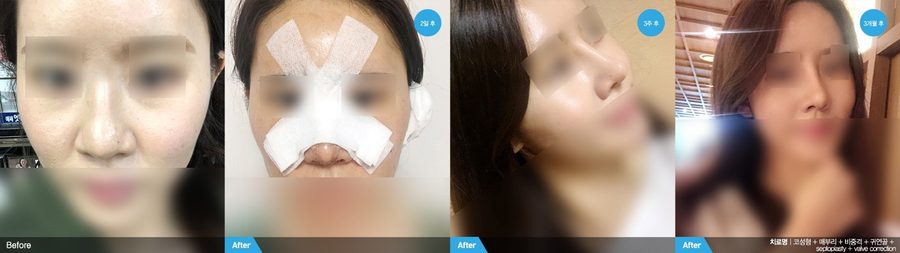
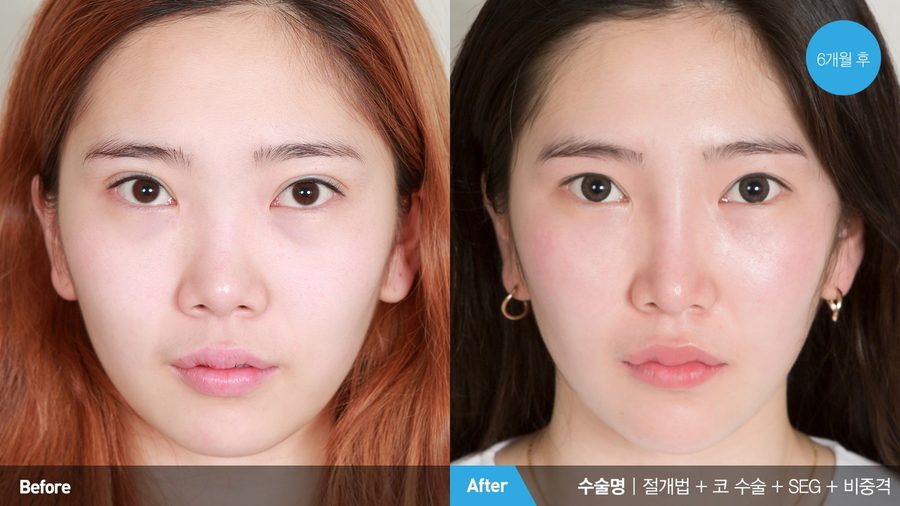
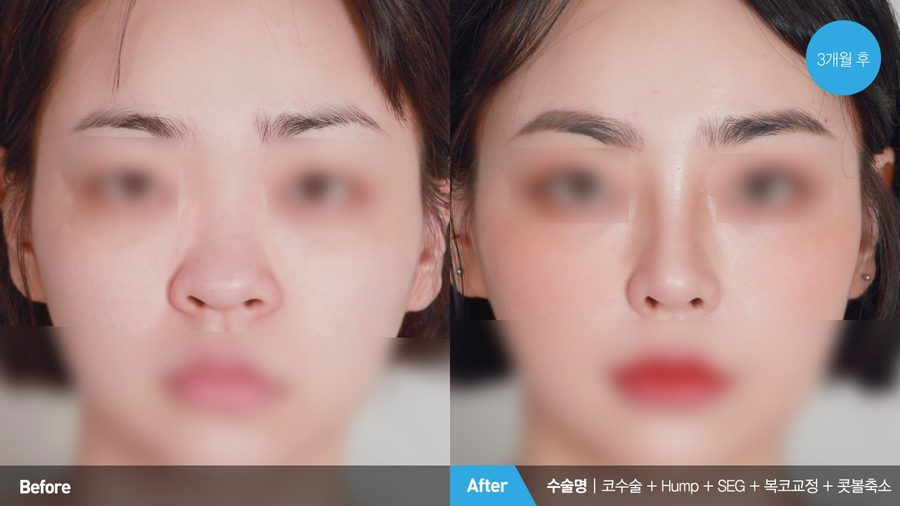
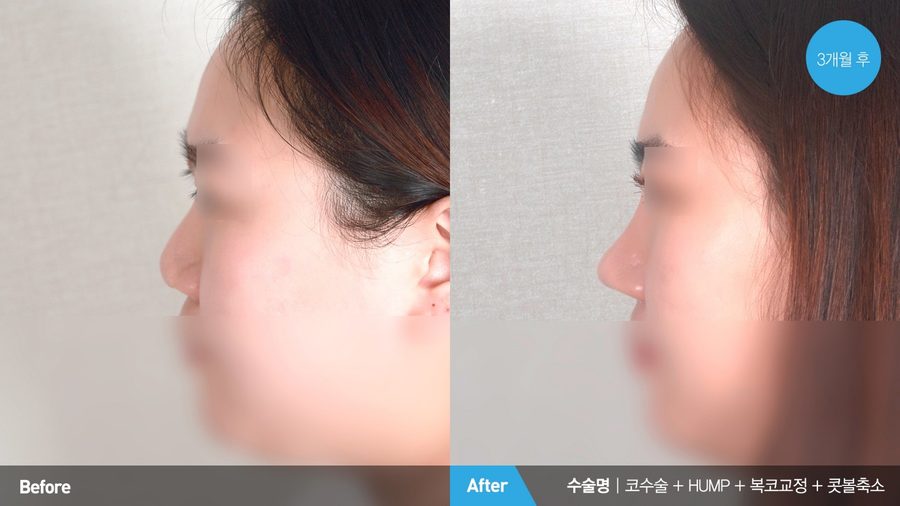
Individual results vary. Photos are examples shown with patient consent and are not a guarantee of outcome.
Reshaping and supporting the nose with tissue from your own body.
Implant-free rhinoplasty is a surgical approach that uses autologous tissue — ear, septal, or rib cartilage — used individually or in combination. The most appropriate material is selected after assessing the nasal bridge, tip, skin thickness, existing cartilage, facial proportions, and whether the operation is a primary or revision procedure.
Naturally curved and flexible — commonly considered for nasal tip refinement, soft contouring, and areas needing moderate support. Usually harvested from an inconspicuous area behind or within the ear.
Harvested from inside the nose; relatively straight and firm, useful for tip projection, structural reinforcement, and correcting certain deformities. Generally leaves no external donor-site scar, though available amount may be limited after previous surgery.
Provides a larger volume of firm cartilage for substantial structural support or reconstruction — often in complex revision or a weakened framework. The chest donor-site incision is explained during consultation.
| Autologous Tissue | Silicone Implant | |
|---|---|---|
| Material | Ear, septal, or rib cartilage from the patient | A synthetic material made in a predefined form |
| Inflammatory reaction | From your own body, so foreign-body response may generally be lower | As a synthetic implant, inflammation, displacement, visibility, or contracture may occur in some patients |
| Main advantages | Customizable to anatomy; refines and supports the tip; suitable for reinforcement; soft, natural contour; may be used in revision | Standardized shapes; predictable bridge augmentation; no cartilage harvesting required |
| Main considerations | Usable amount varies; a donor-site incision may be needed; may be more technically complex | A synthetic foreign material; suitability depends on skin thickness and anatomy; possible implant-related complications |
Neither material is automatically appropriate for every patient. The choice should be based on individual anatomy, surgical goals, prior procedures, and consultation with a qualified plastic surgeon.
Autologous tissue can be shaped to blend naturally with the patient's facial features.
Ear, septal, or rib cartilage is selected according to the support and refinement required.
Cartilage grafts can reinforce weakened structures and support the tip or bridge.
The nose is reshaped without a silicone implant as the primary augmentation material.
Useful when reconstruction or reinforcement is needed after previous surgery.
Planned around facial proportions, skin thickness, existing anatomy, and your goals.
A consultation and physical examination are required to determine the available options.
Discuss your aesthetic concerns, previous surgery, and desired outcome.
The surgeon evaluates external appearance, facial balance, skin thickness, and the nasal framework.
Ear, septal, or rib cartilage is chosen according to the support and refinement required.
Technique, cartilage material, and degree of correction are planned for the individual patient.
The nose is reshaped using your own cartilage rather than a silicone implant, per the established plan.
Postoperative visits monitor healing, swelling, nasal structure, and donor sites where applicable.
Common after rhinoplasty and generally improves gradually.
Temporary stuffiness may occur due to internal swelling, dressings, or normal postoperative changes.
When ear or rib cartilage is harvested, separate care instructions may be provided for the donor site.
The nasal shape may continue to change as swelling decreases and tissues settle, with follow-ups to monitor healing.
The recovery timeline depends on the surgical technique, graft material, extent of correction, previous surgery, and your individual healing response.
A message from the surgeon, a look inside the clinic, and stories from patients.
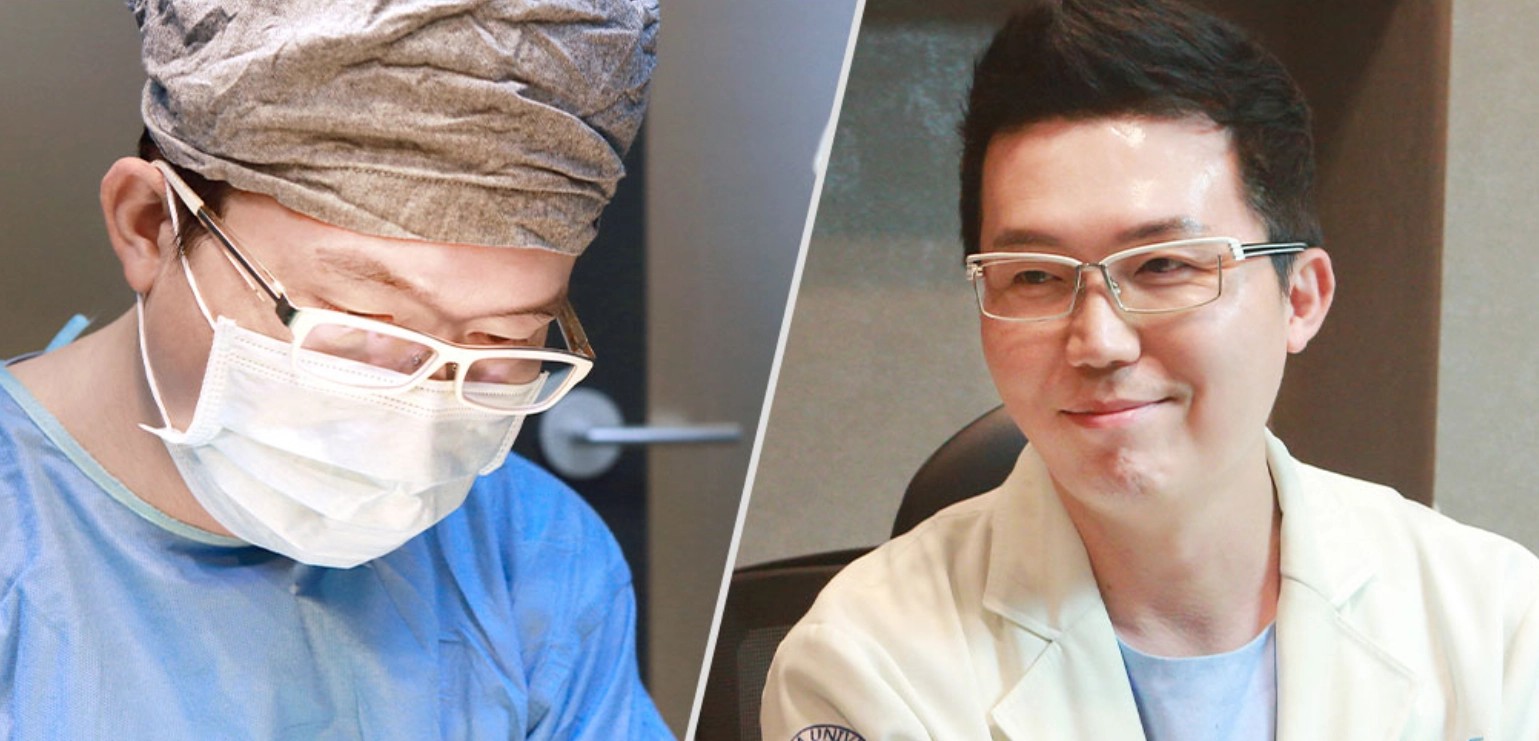

Set each block's data-video to your YouTube video ID to enable playback.
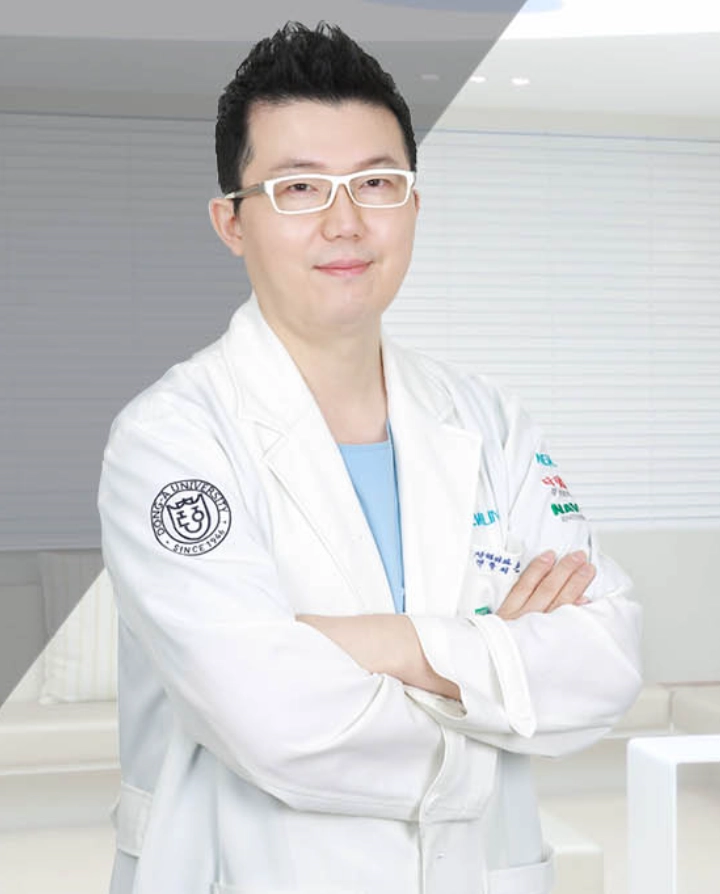 Surgeon Portrait
A successful rhinoplasty should not simply make the nose higher or smaller.
It should improve balance while respecting your facial structure, nasal function, skin condition, and individual anatomy.
If you would prefer to avoid a synthetic implant and shape your nose with your own cartilage, the first step is a detailed consultation. At Newline, the plan is developed after evaluating your facial balance, nasal anatomy, skin thickness, available cartilage, previous procedures, and individual goals.
Individual results and recovery experiences vary. This page is provided for general educational purposes and does not constitute a diagnosis, treatment recommendation, or guarantee of surgical results. The appropriate treatment, surgical technique, cartilage material, and expected outcome can only be determined following an in-person examination and consultation with a qualified medical professional. All surgical procedures involve potential risks, including bleeding, infection, scarring, asymmetry, breathing changes, graft-related complications, donor-site complications, dissatisfaction with the outcome, and the possible need for additional treatment or revision surgery. Newline Clinic is licensed under the Korean Medical Service Act.
Send your details and our international team will get back to you. No obligation — just a starting point.