01
Inferior Turbinate Reduction
Enlarged turbinates are a common structural contributor to persistent obstruction, and reduction may form part of the plan.
Rhinitis rhinoplasty combines functional nasal surgery for chronic rhinitis or nasal obstruction with cosmetic rhinoplasty when clinically appropriate. The goal is to improve nasal breathing while enhancing the appearance of the nose through a personalized treatment plan.
Inflammation is often only half of the problem.
Rhinitis is inflammation of the nasal lining that can cause congestion, rhinorrhea, sneezing, and difficulty breathing. Common forms include non-allergic (vasomotor) rhinitis and allergic rhinitis. Many patients also have structural problems such as turbinate enlargement, septal deviation, or nasal valve narrowing that contribute to persistent symptoms — which is why treatment is customized according to the underlying cause.
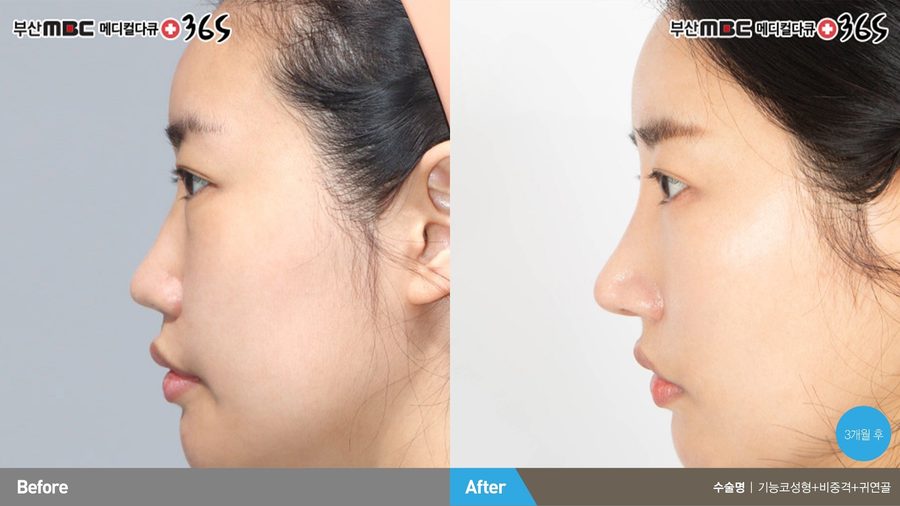
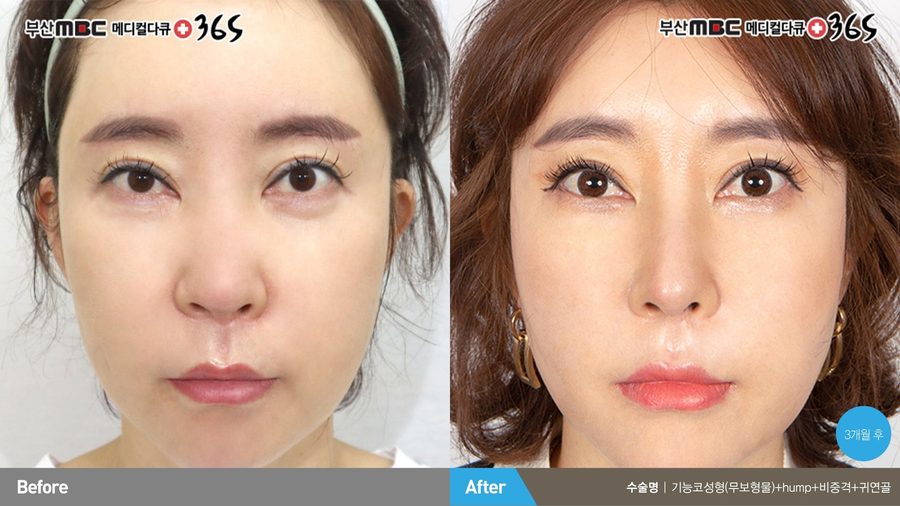
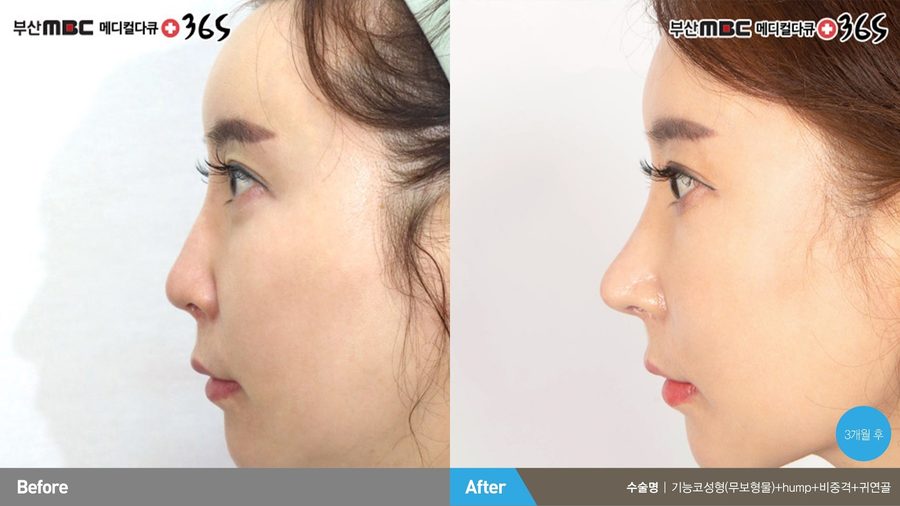
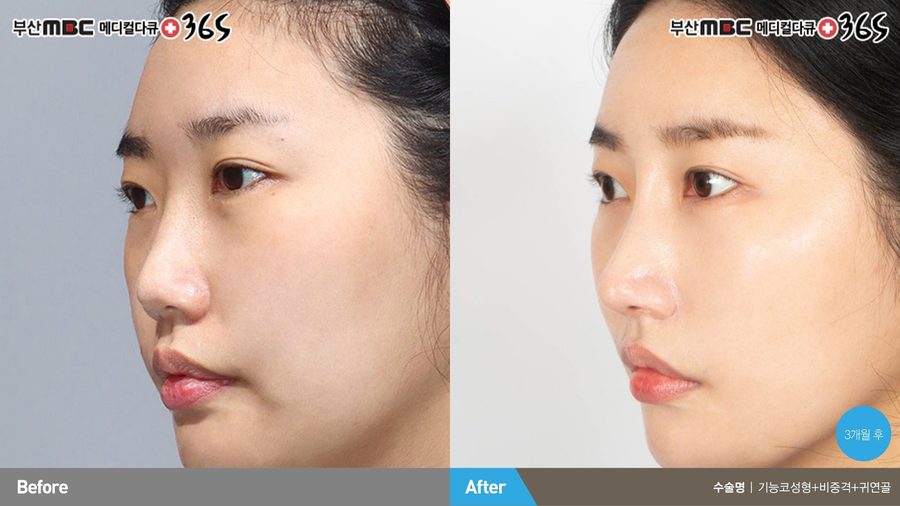
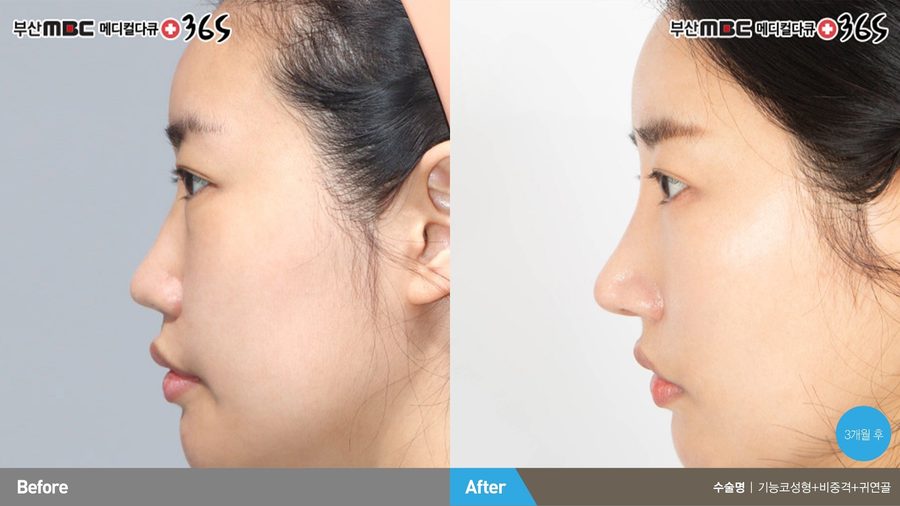
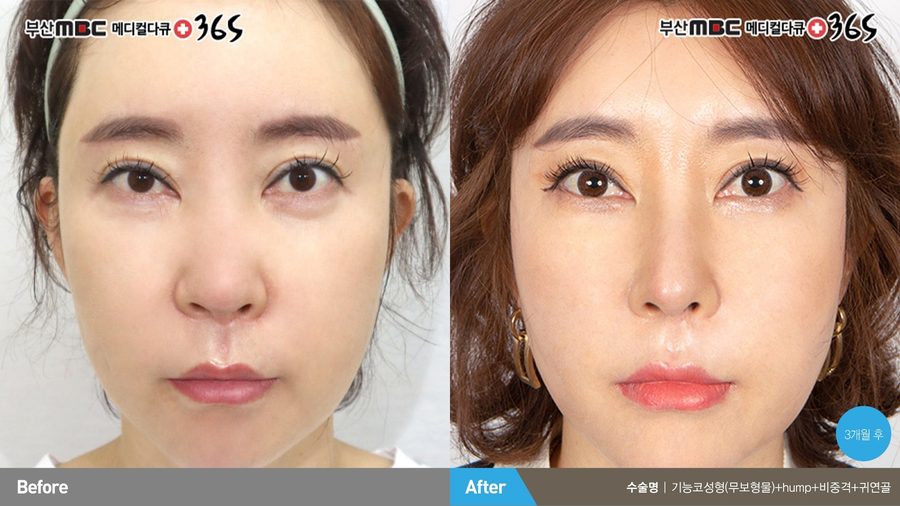
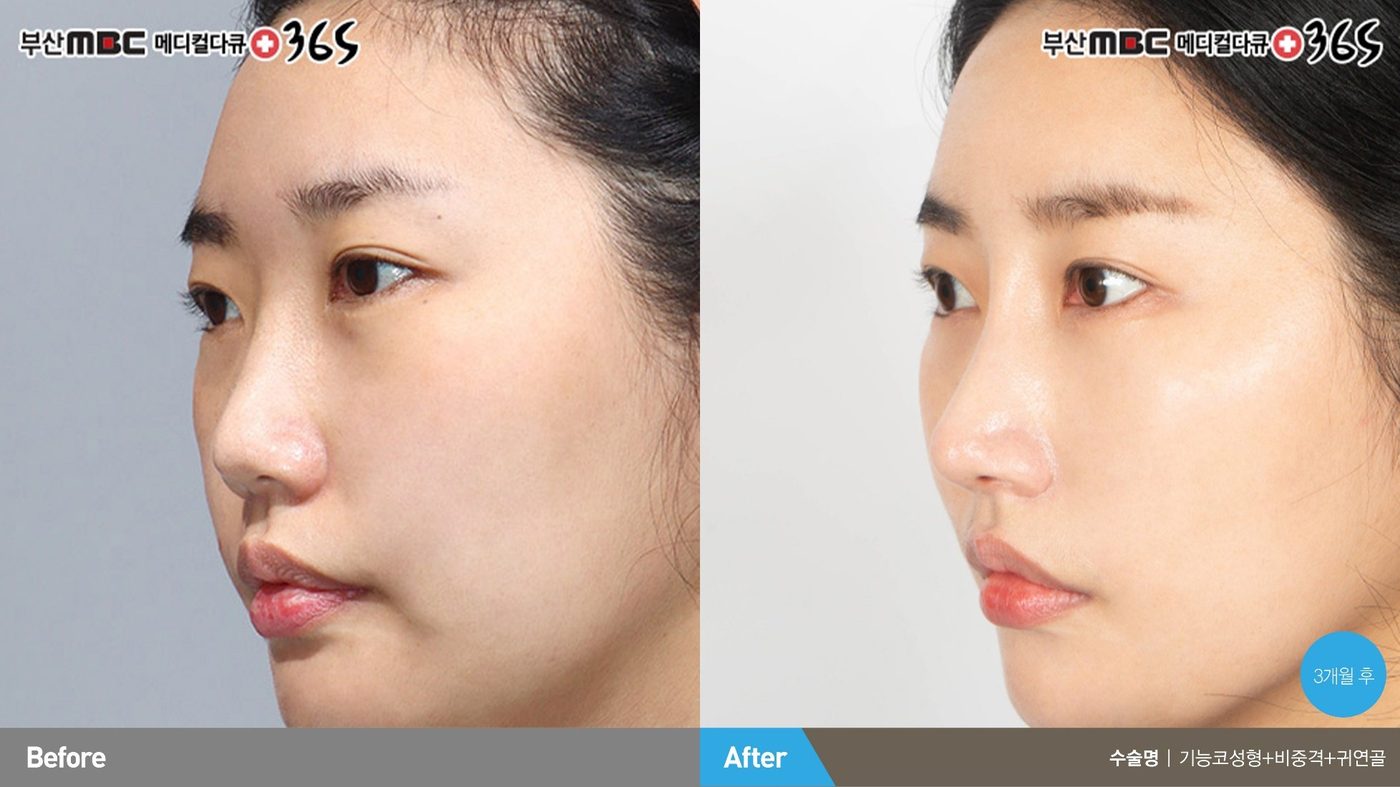
Individual results vary. Photos are examples shown with patient consent and are not a guarantee of outcome.
Enlarged turbinates are a common structural contributor to persistent obstruction, and reduction may form part of the plan.
Septal correction is performed when indicated, where septal deviation contributes to the obstruction.
Functional airway reconstruction addresses the structural causes identified during evaluation.
Cosmetic rhinoplasty may be performed during the same operation when appropriate, improving appearance alongside breathing.
| What it means in practice | |
|---|---|
| 3D CT imaging | The structure of the nasal airway is assessed with imaging |
| Nasal endoscopy | The nasal lining and airway are examined directly |
| Physical examination | Clinical examination supports the functional diagnosis |
| Functional airway assessment | How you actually breathe is assessed, not only how the nose looks |
Treatment recommendations depend on each patient's anatomy and goals. A consultation and examination are required before any procedure is recommended.
Imaging and endoscopy identify the structural contributors.
The underlying cause is established before treatment is planned.
Both can be addressed in the same operation when appropriate.
Follow-up monitors both airway function and cosmetic outcomes.
The structural causes of obstruction are addressed.
Turbinate, septal, and valve factors are treated where indicated.
Airflow is assessed against everyday breathing.
Simultaneous improvement when clinically appropriate.
Treatment recommendations depend on each patient's anatomy and goals. A consultation and examination are required.
Recovery depends on the procedures performed.
Temporary swelling, congestion, bruising, and mild discomfort are expected.
Follow-up visits monitor both airway function and cosmetic outcomes.
Postoperative care is structured around your procedure.
Your surgeon provides a recovery timeline based on the specific procedure rather than a single universal schedule.
A message from the surgeon, a look inside the clinic, and stories from patients.
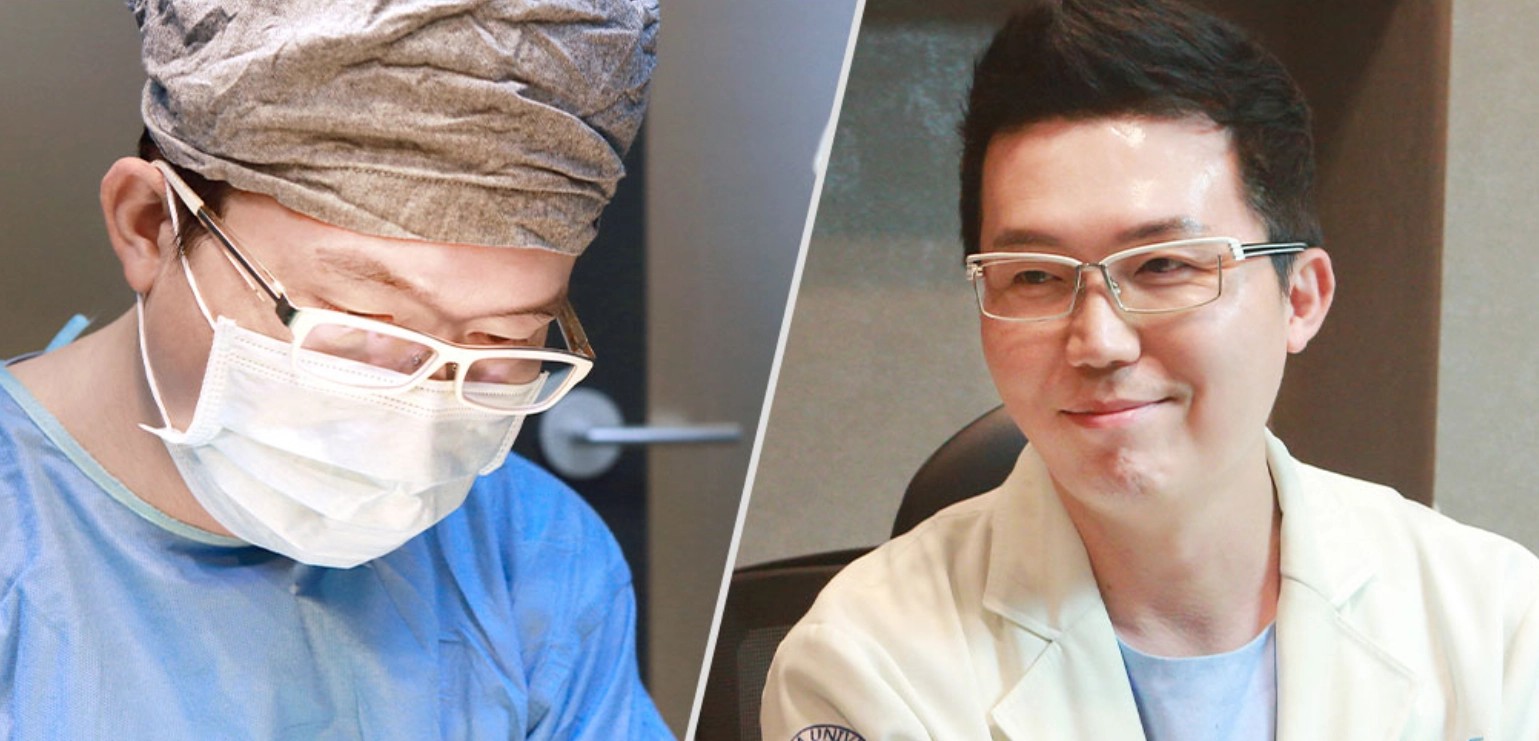
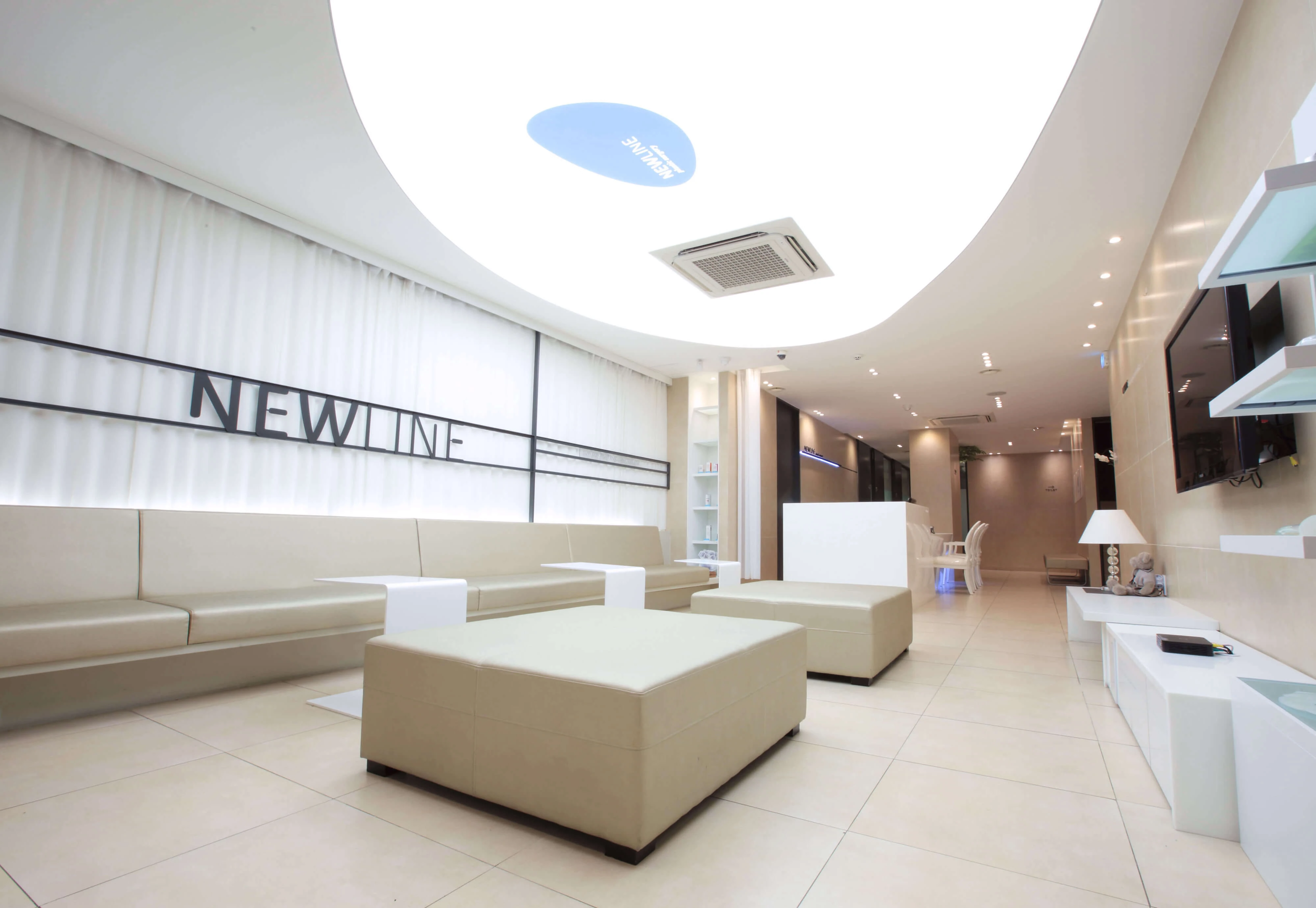
Set each block's data-video to your YouTube video ID to enable playback.
 Surgeon Portrait
Patients are told for years that it is just allergies.
Often the lining is inflamed and the turbinate is enlarged and the septum is deviated — and treating one of those three while ignoring the others is why the congestion always comes back.
Evaluation with 3D CT imaging, nasal endoscopy, physical examination, and functional airway assessment identifies the anatomical factors affecting your airflow — so treatment follows the cause.
Individual results and recovery experiences vary. This page is provided for general educational purposes and does not constitute a diagnosis, treatment recommendation, or guarantee of surgical results. All surgical procedures involve potential risks, including bleeding, infection, adverse reaction to anesthesia, asymmetry, scarring, altered sensation, dissatisfaction with the outcome, and the possible need for additional treatment. The appropriate procedure and expected outcome can only be determined following an in-person examination and consultation with a qualified medical professional. Newline Clinic is licensed under the Korean Medical Service Act.
Send your details and our international team will get back to you. No obligation — just a starting point.