01
Evaluation
Facial anatomy and skin laxity are evaluated before planning.
A Mini Facelift is a less extensive facial lifting procedure designed for patients with mild to moderate skin laxity, early jowl formation, and loss of jawline definition. By addressing deeper facial support structures through smaller, strategically placed incisions, it aims to restore a firmer contour while maintaining natural expression.
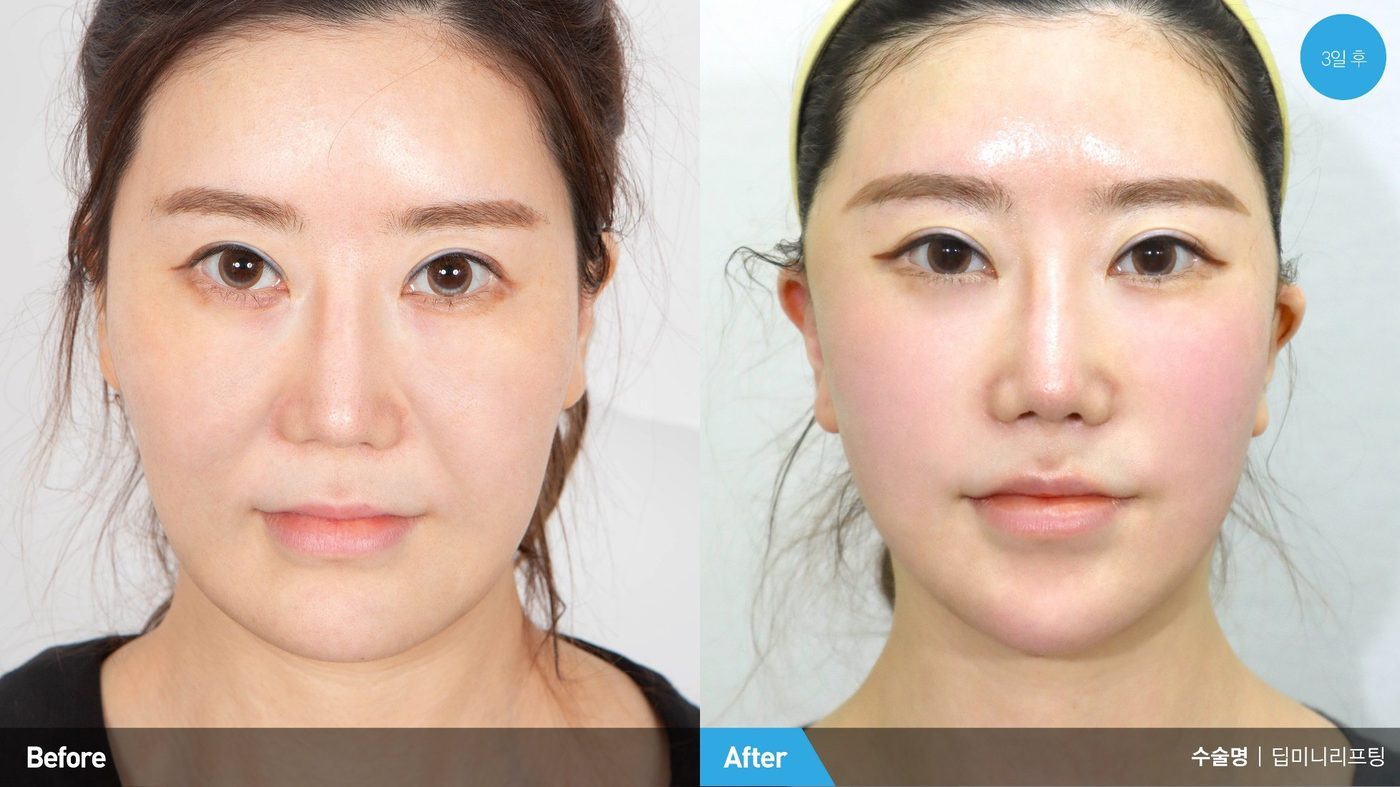
Repositioning deeper tissue while minimizing incision length.
Unlike treatments that tighten only the skin, a modern mini facelift focuses on repositioning deeper facial tissues while minimizing incision length. The approach emphasizes a customized lifting strategy, reduced downtime, and long-lasting support through structural tissue fixation — which is why it is described as less extensive rather than more superficial.
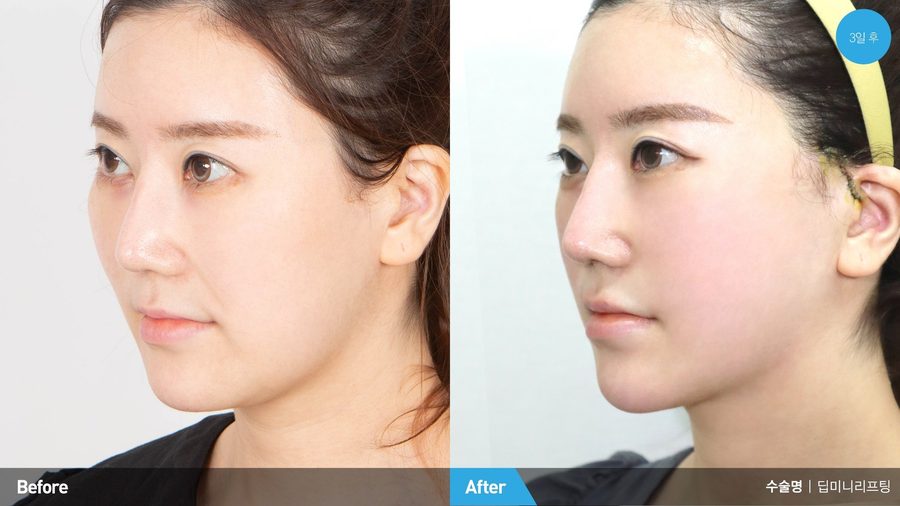
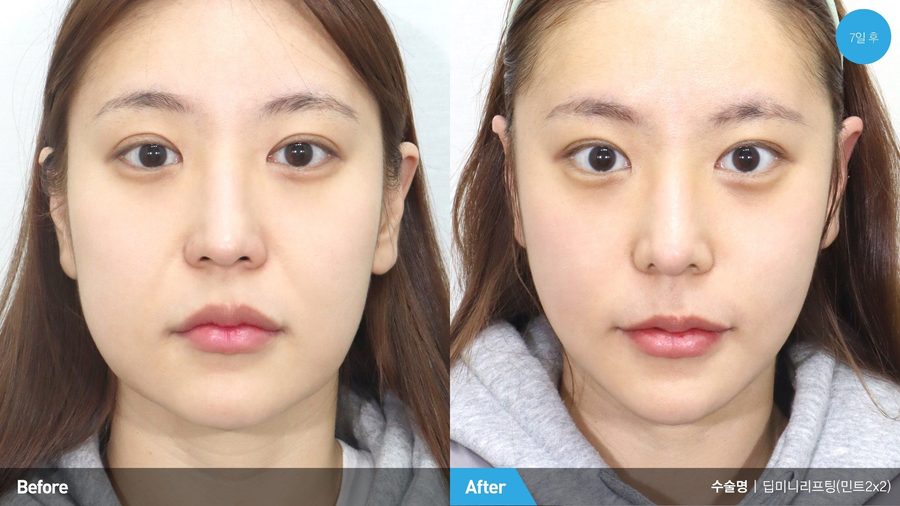
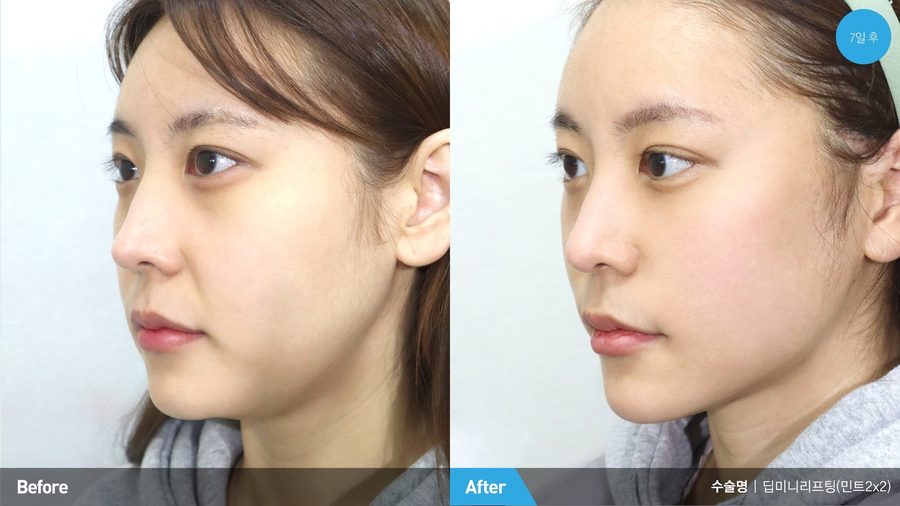
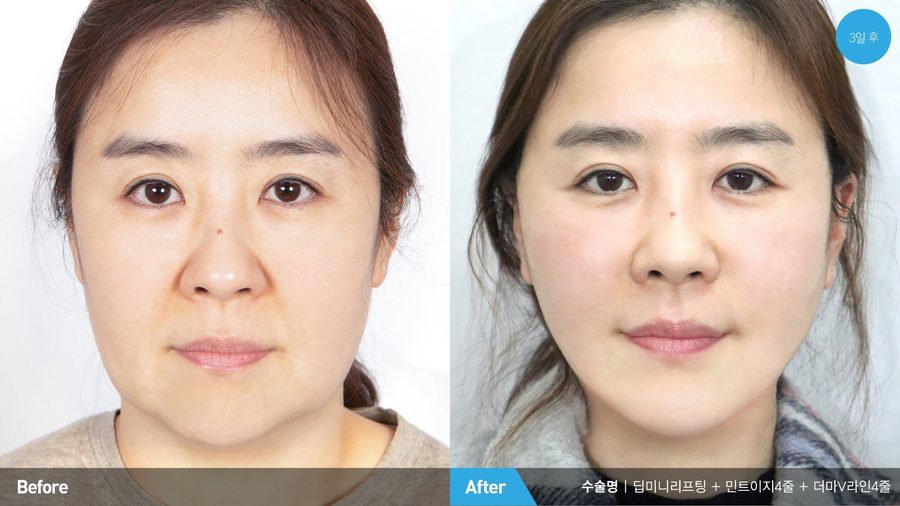
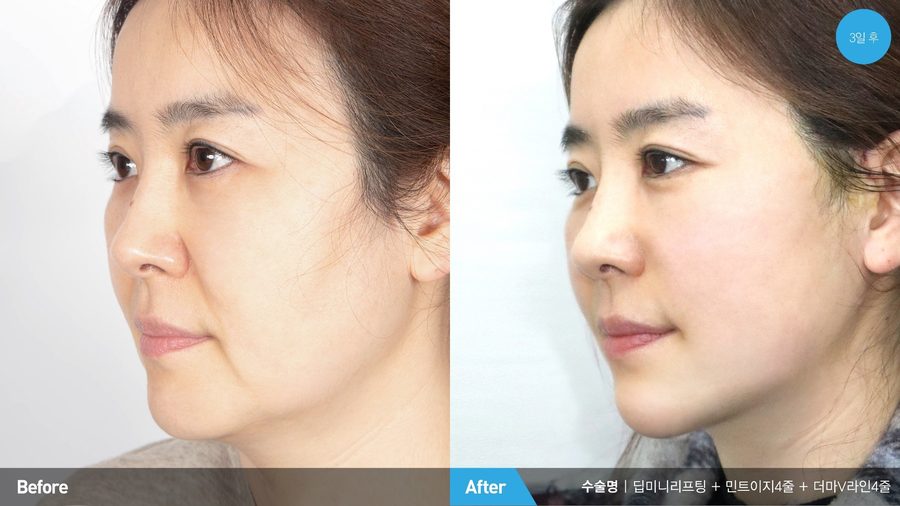
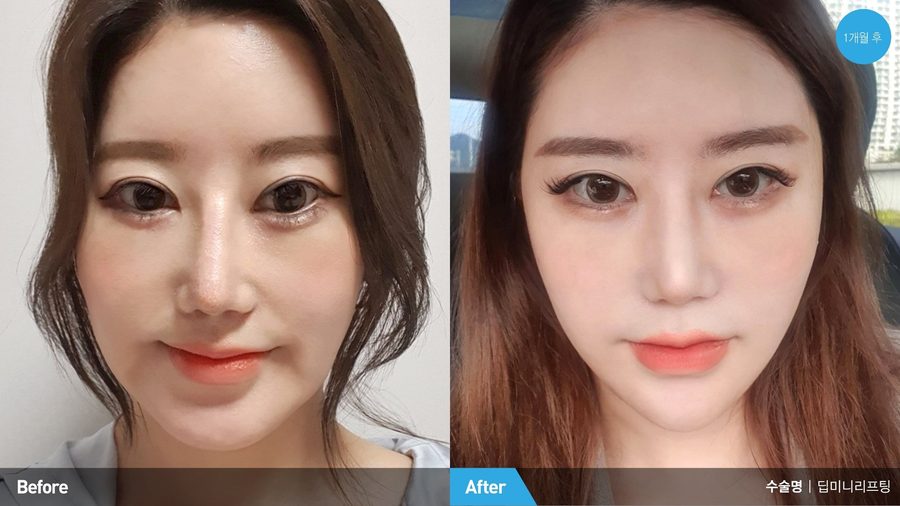
Individual results vary. Photos are standardized examples shown with patient consent and are not a guarantee of outcome.
Facial anatomy and skin laxity are evaluated before planning.
Hidden incisions are planned around the hairline and ear when appropriate.
Deeper support tissues are repositioned and secured.
Excess skin is refined conservatively rather than pulled tight.
Incisions are closed to optimize contour and healing.
| What it means in practice | |
|---|---|
| Personalized facial assessment | Facial anatomy and skin laxity are evaluated before any incision is planned |
| Small, discreet incisions | Planned around the hairline and ear when appropriate |
| Deep tissue lifting & fixation | Deeper support tissues are repositioned and secured, not just skin |
| Individualized lifting vectors | The direction of lift is planned for your face |
| Customized aftercare | Structured postoperative care and regular follow-up visits |
A mini facelift is designed for mild to moderate laxity. More advanced tissue descent may require a more extensive procedure — determined during assessment.
Jawline contour is restored through deep tissue lifting.
Early jowl formation is addressed at the support layer.
Natural expression is maintained rather than tightened away.
Shorter incisions than a traditional facelift.
Lifting vectors and technique are individualized.
A consultation and examination are required to determine whether a mini facelift or a more extensive procedure suits your degree of laxity.
Temporary swelling is expected during early healing.
Bruising is expected and resolves as healing progresses.
Tightness is expected during the early recovery period.
Structured postoperative care and regular follow-up visits support recovery.
Recovery varies by patient and surgical technique. Your surgeon provides a personalized timeline.
A message from the surgeon, a look inside the clinic, and stories from patients.
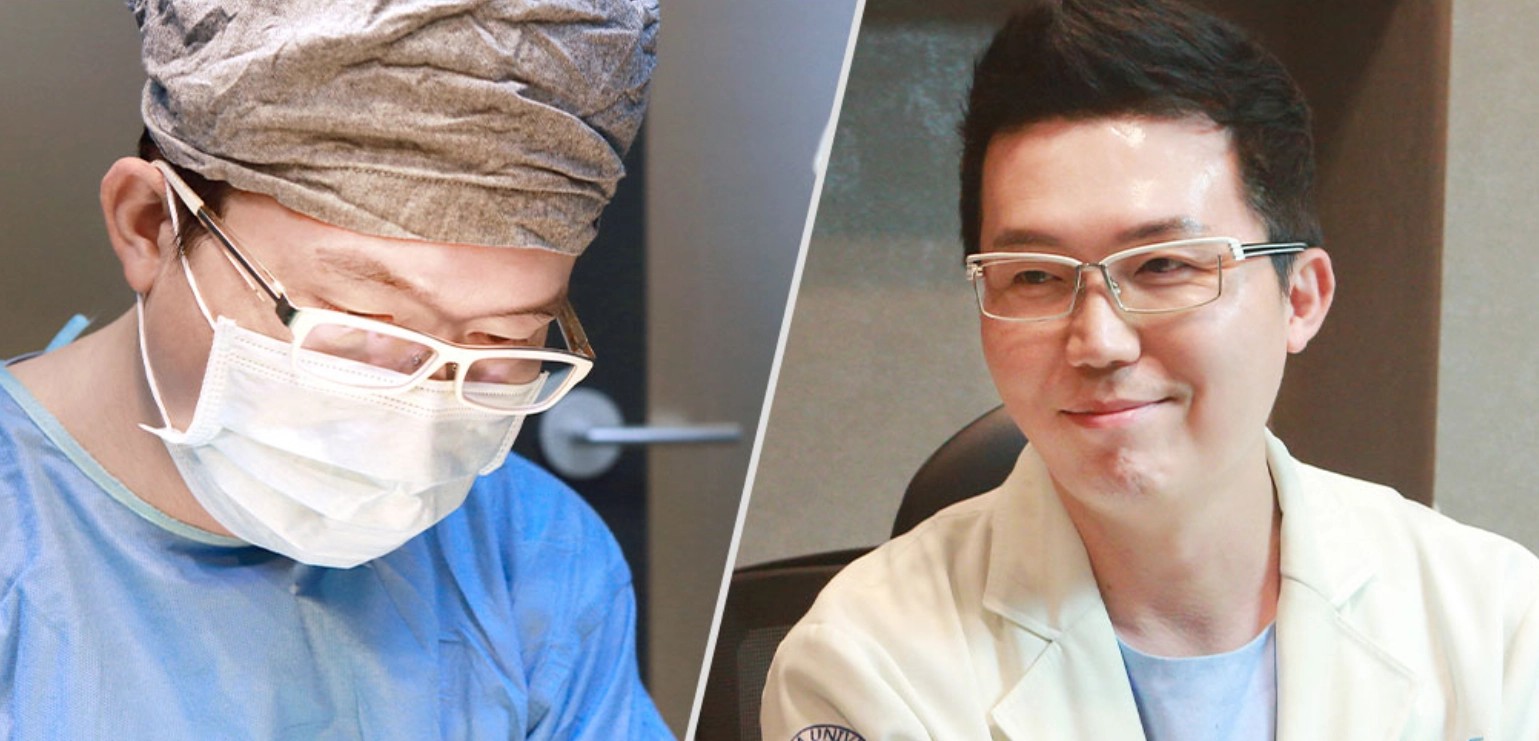
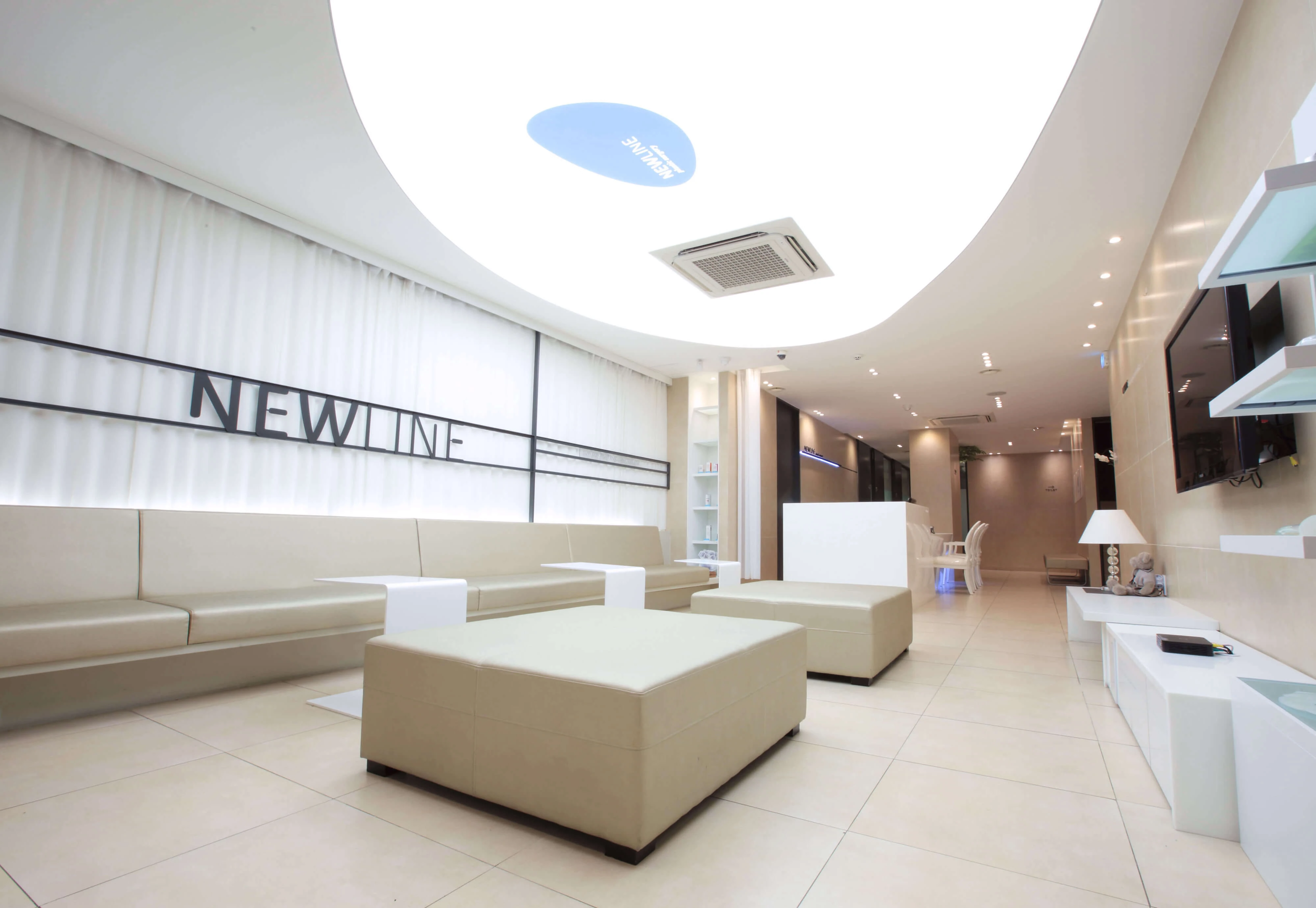
Set each block's data-video to your YouTube video ID to enable playback.
 Surgeon Portrait
"Mini" describes the incision, not the work.
If the deeper tissue is not repositioned and fixed, a short scar simply buys a short-lived result.
Facial anatomy and skin laxity are evaluated first — because whether a mini facelift is enough, or a more extensive lift is appropriate, depends entirely on how far your tissues have descended.
Individual results and recovery experiences vary. This page is provided for general educational purposes and does not constitute a diagnosis, treatment recommendation, or guarantee of surgical results. A mini facelift does not stop the ageing process, and results are not permanent. All surgical procedures involve potential risks, including bleeding, infection, haematoma, asymmetry, scarring, altered or lost sensation, nerve injury, skin healing problems, dissatisfaction with the outcome, and the possible need for additional surgery. The appropriate procedure and expected outcome can only be determined following an in-person examination and consultation with a qualified medical professional. Newline Clinic is licensed under the Korean Medical Service Act.
Send your details and our international team will get back to you. No obligation — just a starting point.