01
Small Incisions
Small incisions are made around the nipple to access the tethering tissue.
Nipple correction surgery is designed to improve the appearance and, when appropriate, the function of the nipple. At Newline Clinic the focus is on inverted nipples — a condition in which the nipple is pulled inward rather than projecting outward — with a technique selected for your degree of inversion and goals.
A nipple retracted into the breast instead of protruding normally.
An inverted nipple is retracted into the breast rather than projecting outward. Depending on severity, patients may experience hygiene concerns, trapped secretions, irritation, inflammation, discomfort, or breastfeeding-related issues. This is why functional as well as cosmetic concerns may be reasons to seek treatment, and why the surgical technique is chosen only after evaluating the degree of inversion and your individual goals.
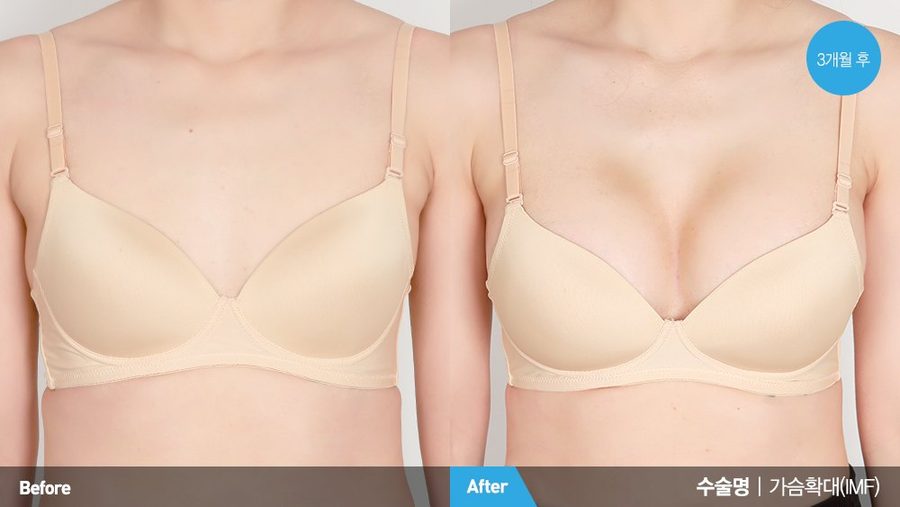
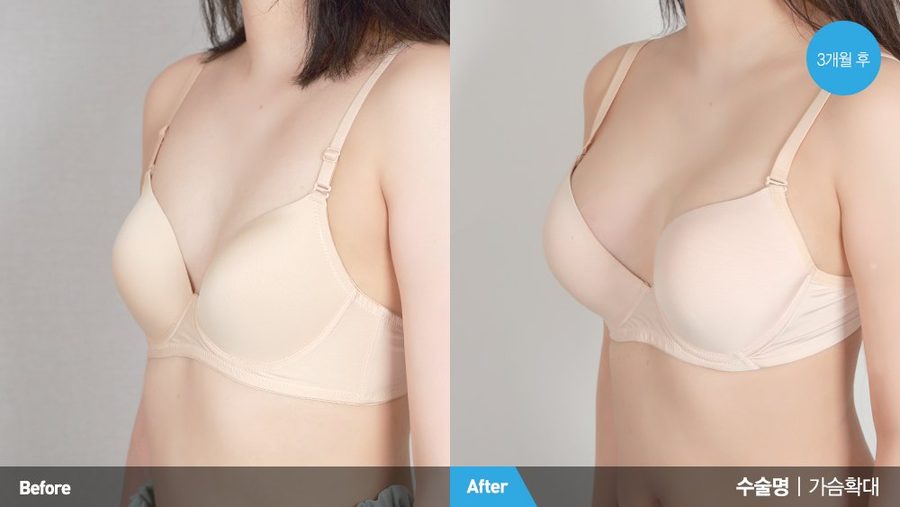
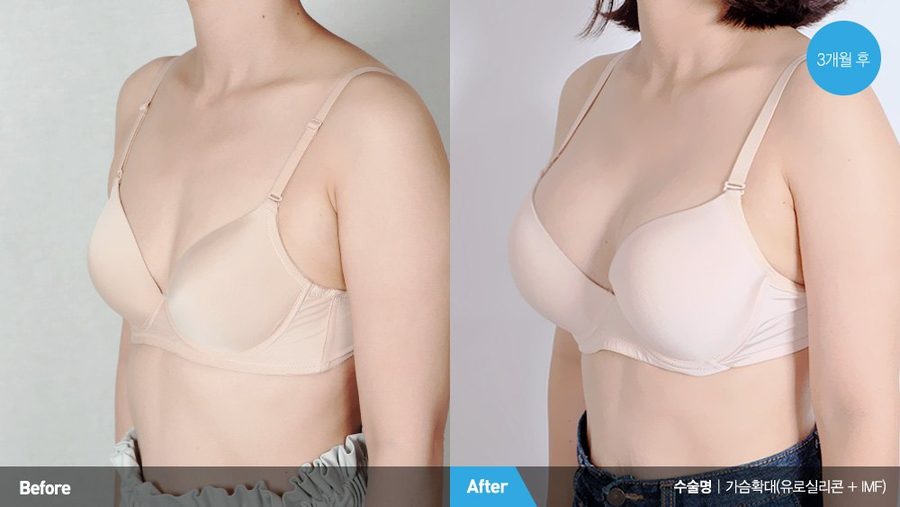
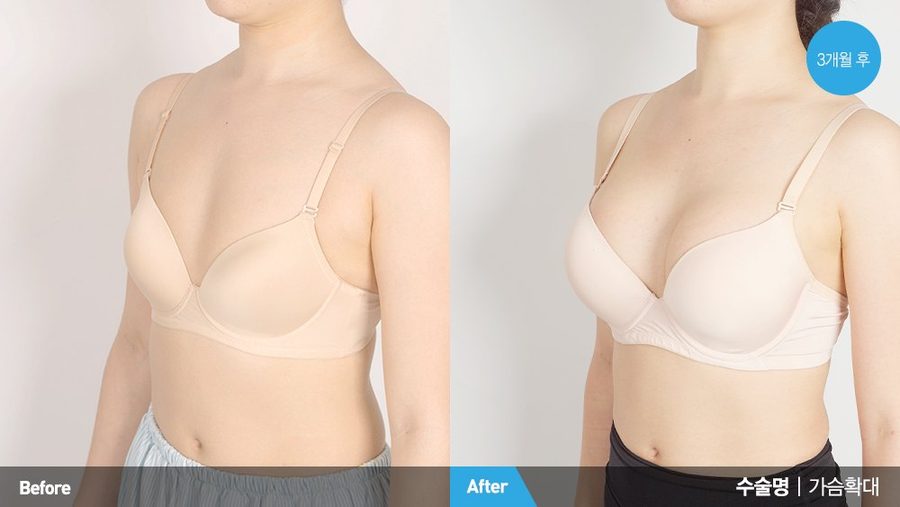
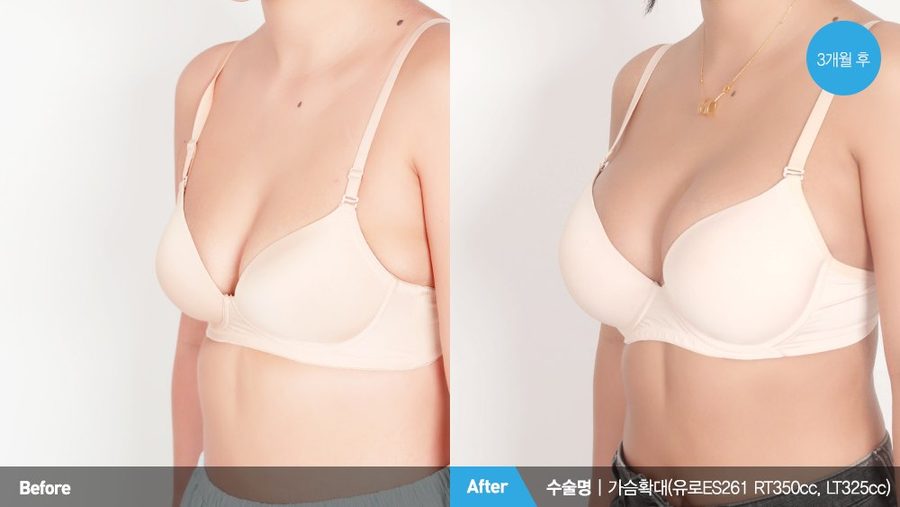
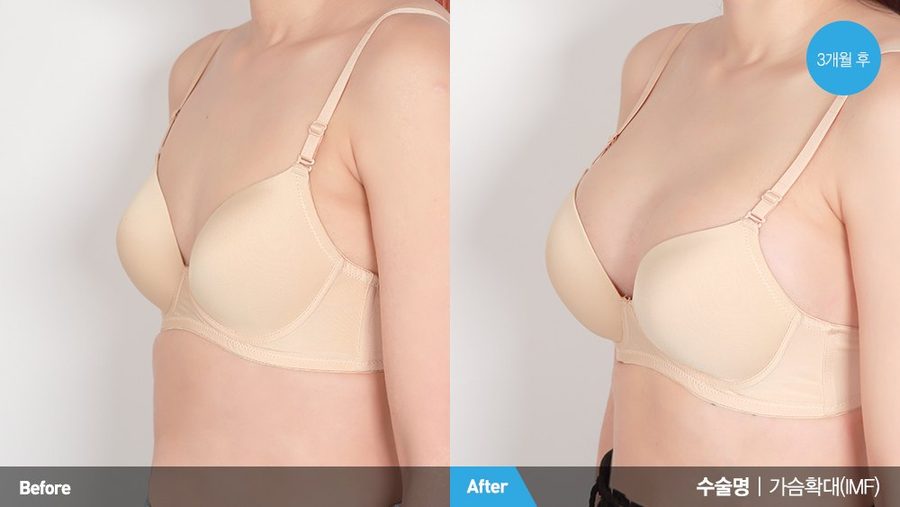
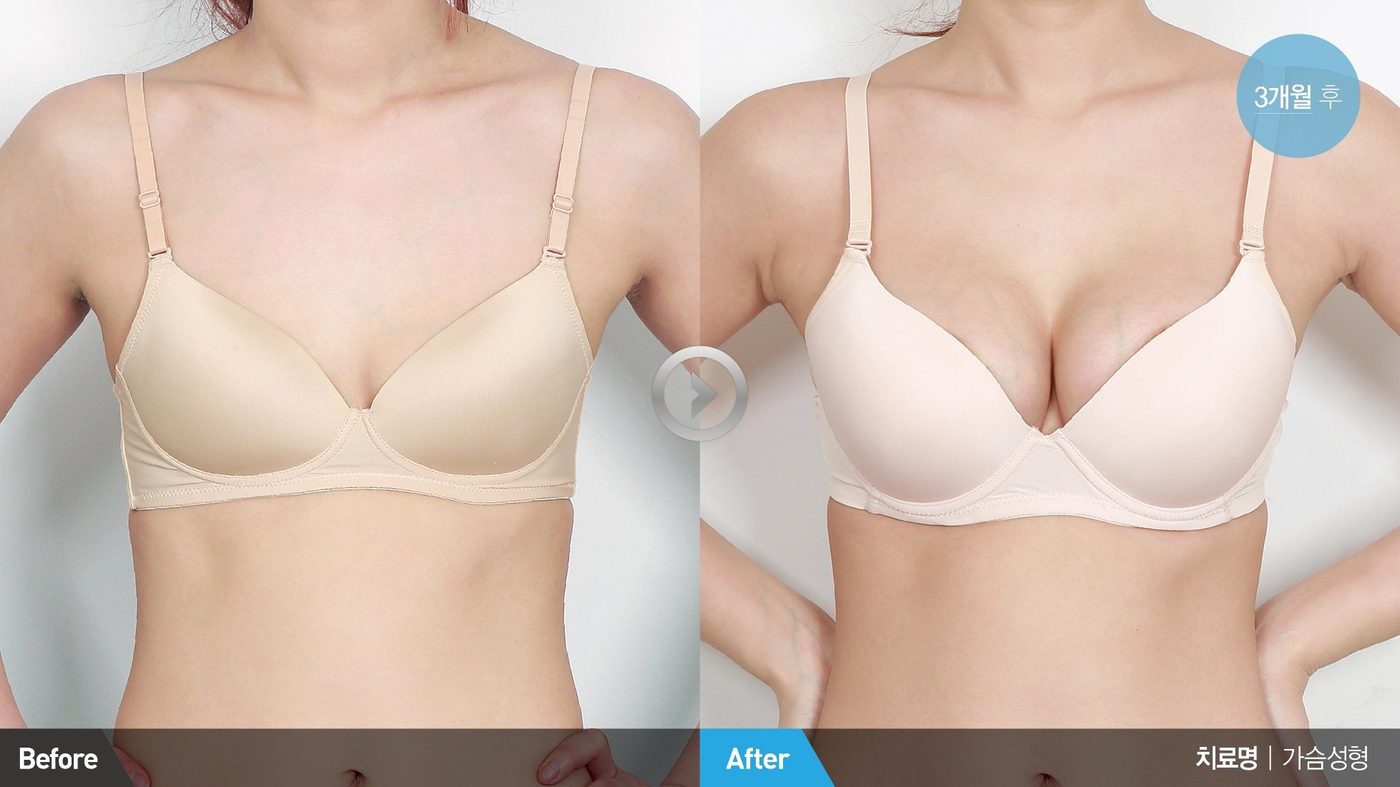
Individual results vary. Photos are examples shown with patient consent and are not a guarantee of outcome.
Small incisions are made around the nipple to access the tethering tissue.
Careful release of the shortened fibrous tissue tethering the nipple inward.
Repositioning and support of the nipple to maintain outward projection while minimizing recurrence.
How severely the nipple is retracted guides the technique.
Your individual breast anatomy is assessed before planning.
Hygiene, trapped secretions, irritation, inflammation, or discomfort are considered.
Breastfeeding considerations are discussed as part of technique selection.
Your individual goals for appearance and symmetry are reviewed.
The surgical technique is selected after this evaluation. If future breastfeeding matters to you, raise it during consultation so it can be factored into the plan.
| What it addresses | |
|---|---|
| Improved nipple projection | The nipple is repositioned and supported to maintain outward projection |
| Better breast symmetry | Appearance and symmetry are improved where inversion affected them |
| Easier hygiene | Retraction can trap secretions and complicate hygiene; correction may help |
| Functional improvement | Potential improvement in functional concerns for selected patients |
| Natural-looking result | Cosmetic enhancement planned to look natural rather than over-corrected |
Functional improvement applies to selected patients and depends on the degree of inversion, anatomy, and the technique used. Recurrence is a recognized consideration in inverted nipple surgery.
A consultation and physical examination are required to determine the appropriate technique for your degree of inversion and goals.
Discuss cosmetic and functional concerns, symptoms, and your goals.
Degree of inversion, breast anatomy, functional concerns, and breastfeeding considerations are assessed.
3D simulation supports surgical planning and shared decision-making.
The surgical technique is selected based on your evaluation and individual goals.
Small incisions, release of tethering fibrous tissue, then repositioning and support of the nipple.
Personalized postoperative instructions and scheduled follow-up care.
Temporary swelling and bruising are expected after surgery.
Tenderness in the treated area is common during early healing.
Mild discomfort is expected and generally improves with healing.
Patients receive personalized postoperative instructions and scheduled follow-up care.
Recovery varies between individuals. Your surgeon provides a timeline based on your technique and healing response.
A message from the surgeon, a look inside the clinic, and stories from patients.
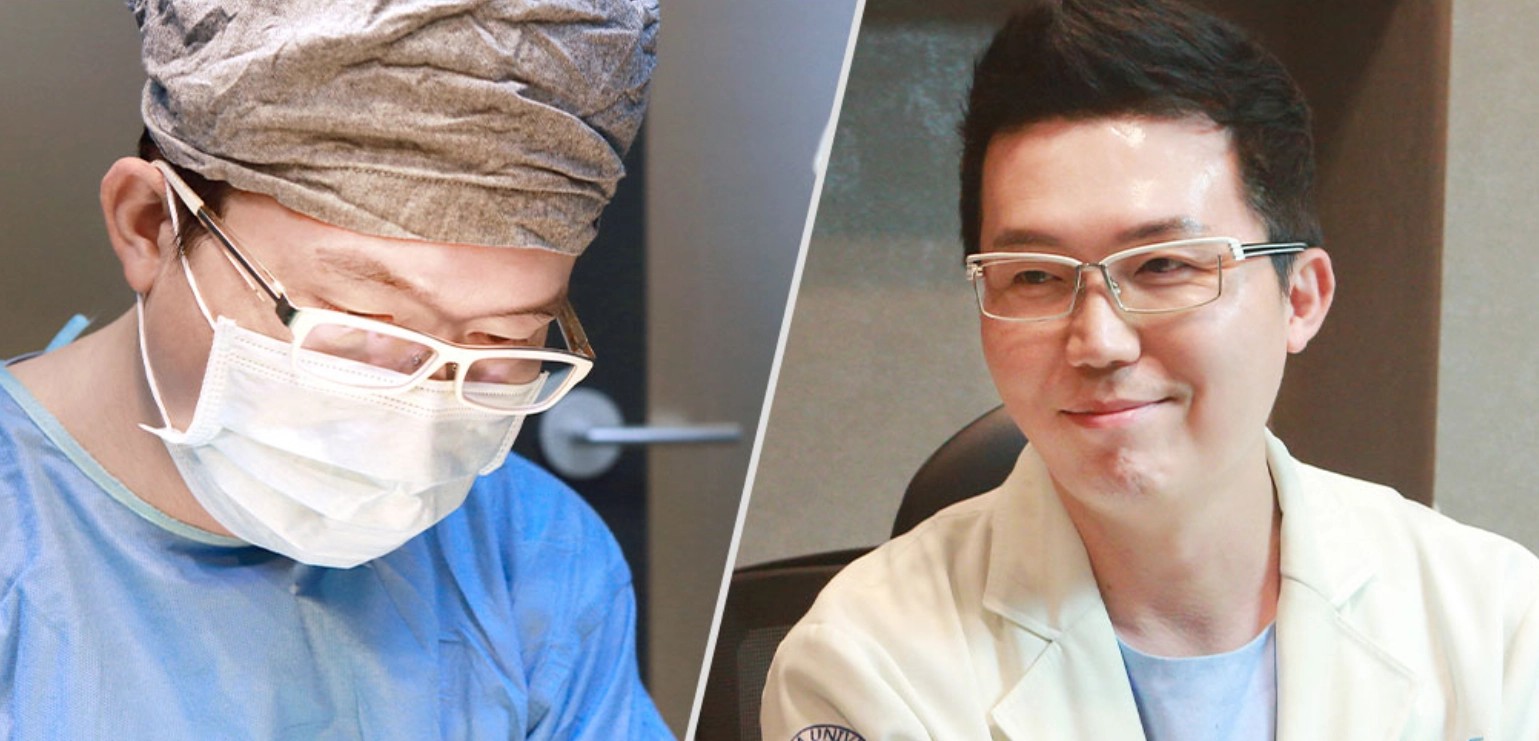

Set each block's data-video to your YouTube video ID to enable playback.
 Surgeon Portrait
An inverted nipple is held inward by tissue, not by chance.
Correction means releasing what is tethering it and then supporting the projection — which is also what determines whether the result lasts.
The technique is selected only after evaluating your degree of inversion, breast anatomy, functional concerns, future breastfeeding considerations, and aesthetic goals. A consultation is the first step.
Individual results and recovery experiences vary. This page is provided for general educational purposes and does not constitute a diagnosis, treatment recommendation, or guarantee of surgical results. A newly retracted nipple or any new change in the breast should be evaluated by a qualified medical professional before cosmetic correction is planned. All surgical procedures involve potential risks, including bleeding, infection, altered nipple sensation, asymmetry, scarring, effects on breastfeeding, recurrence of inversion, dissatisfaction with the outcome, and the possible need for additional treatment. The appropriate treatment, technique, and expected outcome can only be determined following an in-person examination and consultation. Newline Clinic is licensed under the Korean Medical Service Act.
Send your details and our international team will get back to you. No obligation — just a starting point.