01
History Review
Previous surgical history, trauma, and functional concerns are reviewed.
Nasal Reconstruction Surgery restores both the appearance and structural support of the nose following previous surgery, trauma, congenital differences, or tissue loss — using individualized cartilage grafting techniques to achieve stable, natural-looking results.

Unlike primary rhinoplasty, the focus is rebuilding.
Nasal reconstruction rebuilds weakened or deficient nasal structures rather than reshaping an intact nose. Treatment planning is based on each patient's anatomy, previous surgical history, functional concerns, and aesthetic goals — and on what support actually remains. That is why grafting technique, not just design, defines the operation.
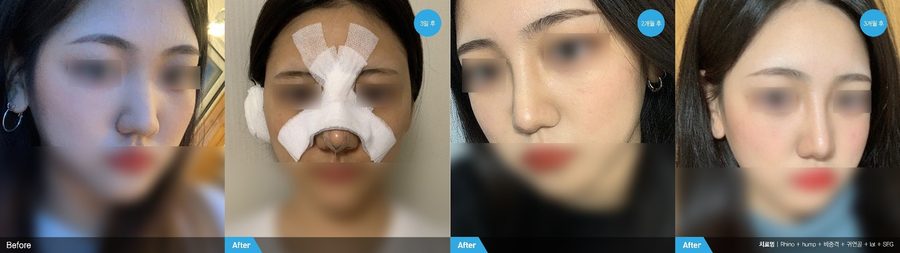
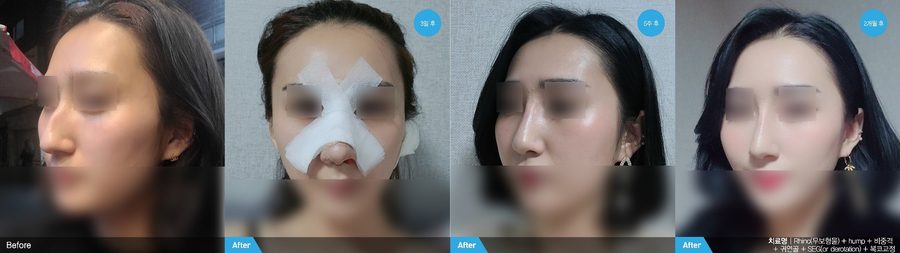
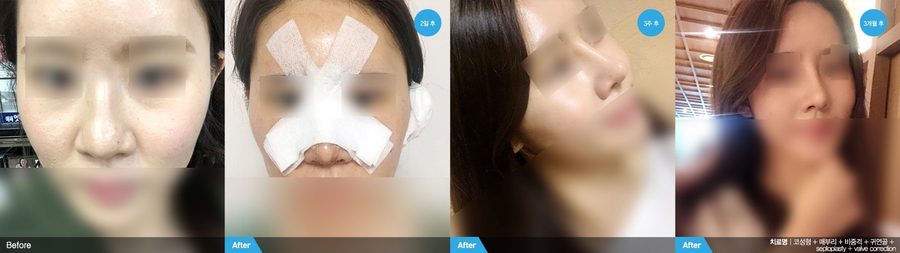
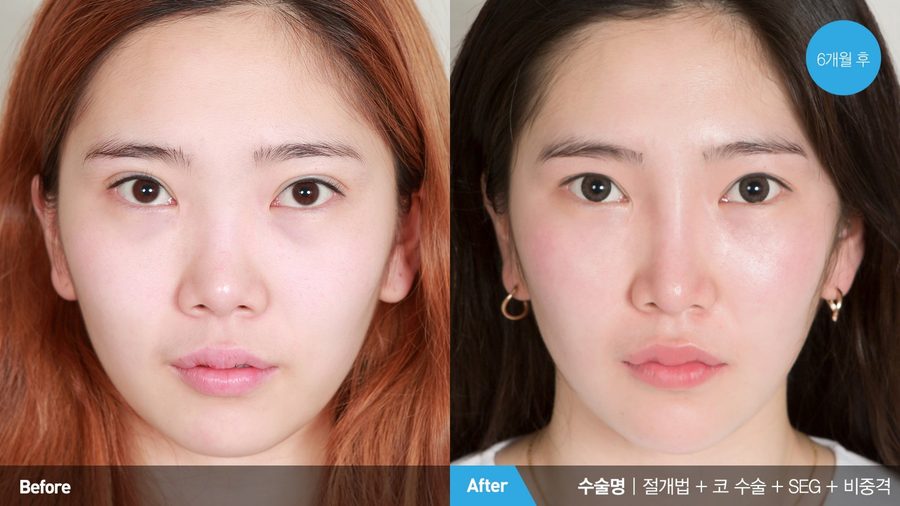
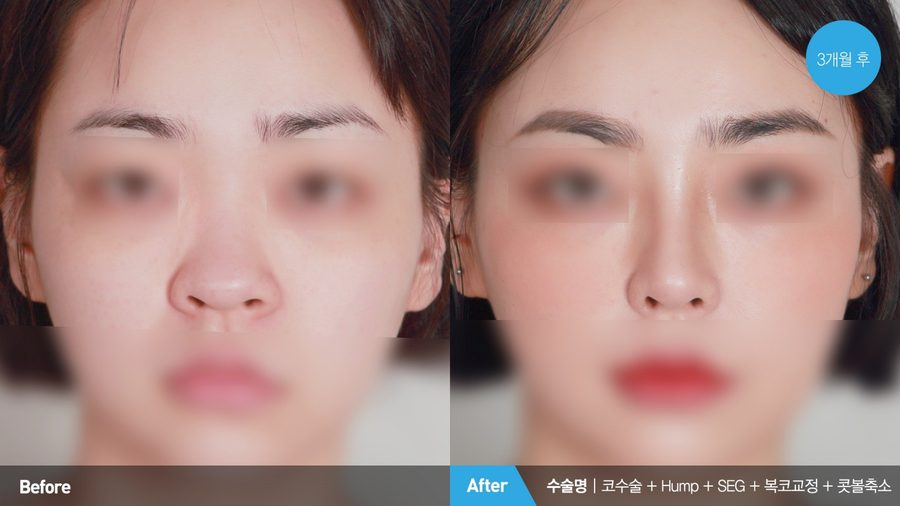
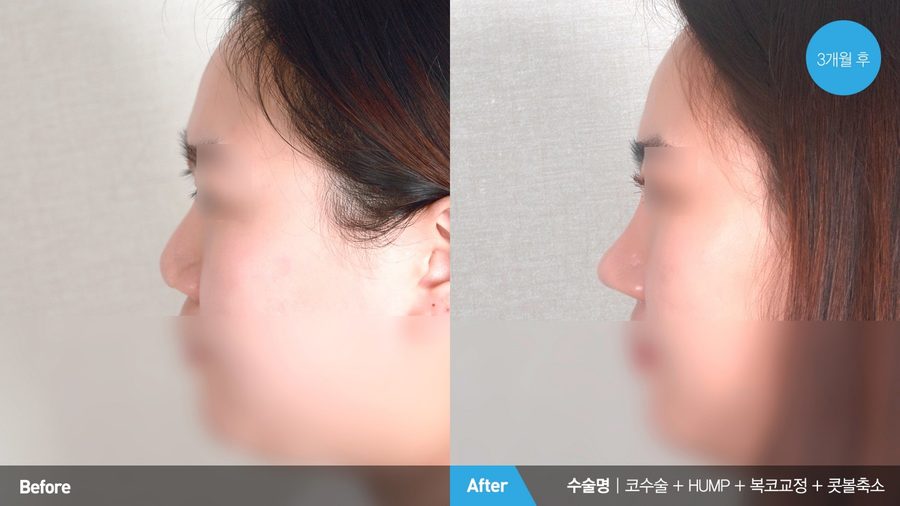
Individual results vary. Photos are examples shown with patient consent and are not a guarantee of outcome.
| What it does | |
|---|---|
| Alar (Ark) grafts | Reinforce and reshape the nostril region |
| Dorsal / DM graft techniques | Provide additional structural support |
| Cartilage grafting | Improves contour, projection, and long-term stability |
Reconstruction works with altered or deficient anatomy. What can be rebuilt depends on remaining nasal support, skin and soft tissue quality, and cartilage availability, so some concerns may be improved rather than fully restored.
What structure is still present determines what can be rebuilt.
Skin thickness and soft tissue quality affect contour and healing.
Available graft material limits or enables the reconstruction.
Function is assessed alongside appearance.
The reconstruction is planned in relation to your whole face.
The nose and remaining structures are examined directly.
Imaging supports assessment of the underlying framework.
Endoscopy is used where indicated to assess the internal airway.
Breathing function is evaluated as part of planning.
Photographic analysis supports planning and comparison.
A comprehensive evaluation — including examination, 3D CT imaging, and functional assessment — is required before a reconstruction plan can be made.
Previous surgical history, trauma, and functional concerns are reviewed.
The remaining nasal support structures and soft tissue are assessed.
3D CT imaging and nasal endoscopy where indicated evaluate the framework and airway.
Grafting is planned around remaining support, skin quality, cartilage availability, breathing, and facial balance.
Structural grafting including alar (Ark) grafts, dorsal/DM techniques, and cartilage grafting for contour and stability.
Structured postoperative care as the final contour develops gradually.
Swelling is expected after surgery and settles gradually.
Bruising is expected and improves as healing progresses.
Congestion is expected as internal tissues heal.
Recovery varies according to the extent of reconstruction.
Final contour develops gradually as healing progresses. Your surgeon provides a timeline based on the extent of your reconstruction.
A message from the surgeon, a look inside the clinic, and stories from patients.
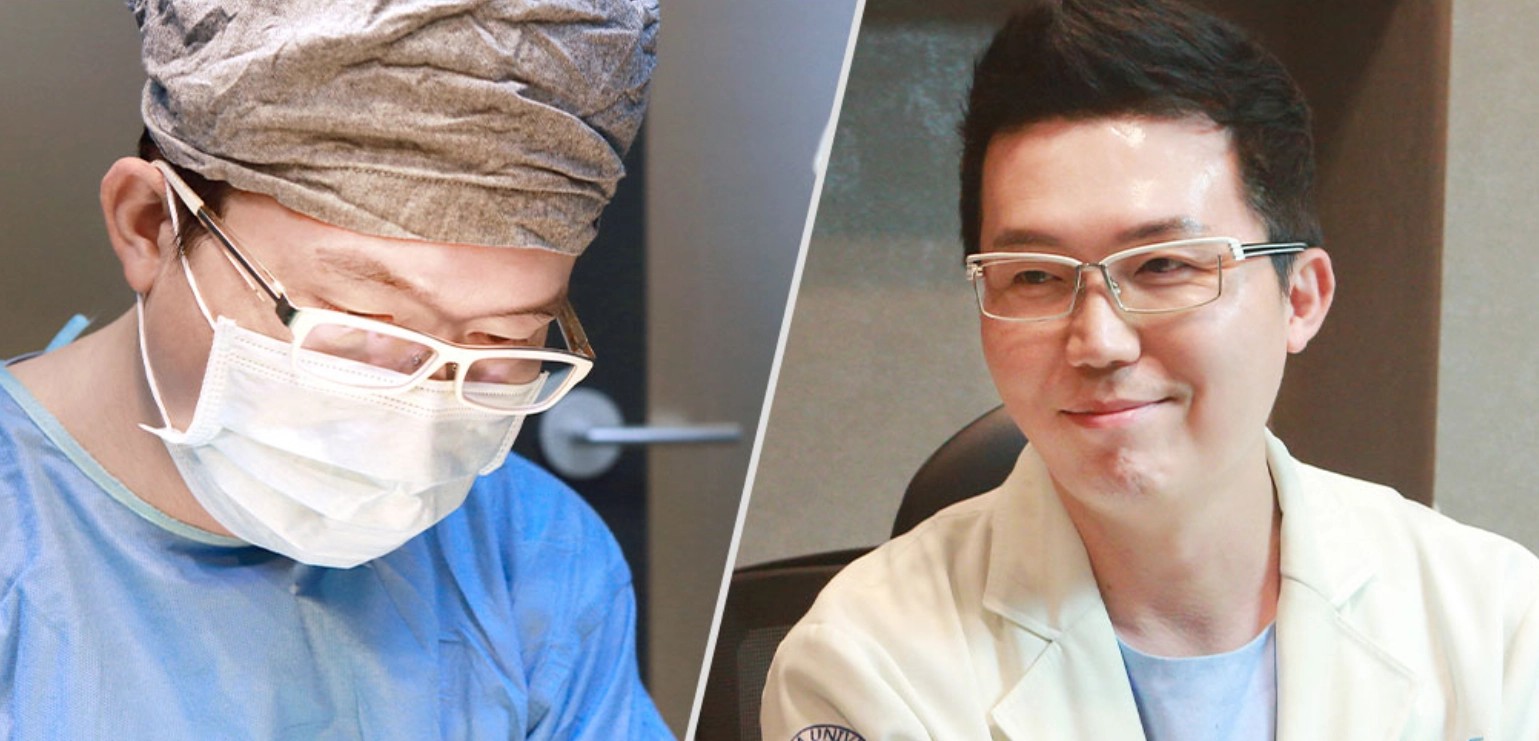

Set each block's data-video to your YouTube video ID to enable playback.
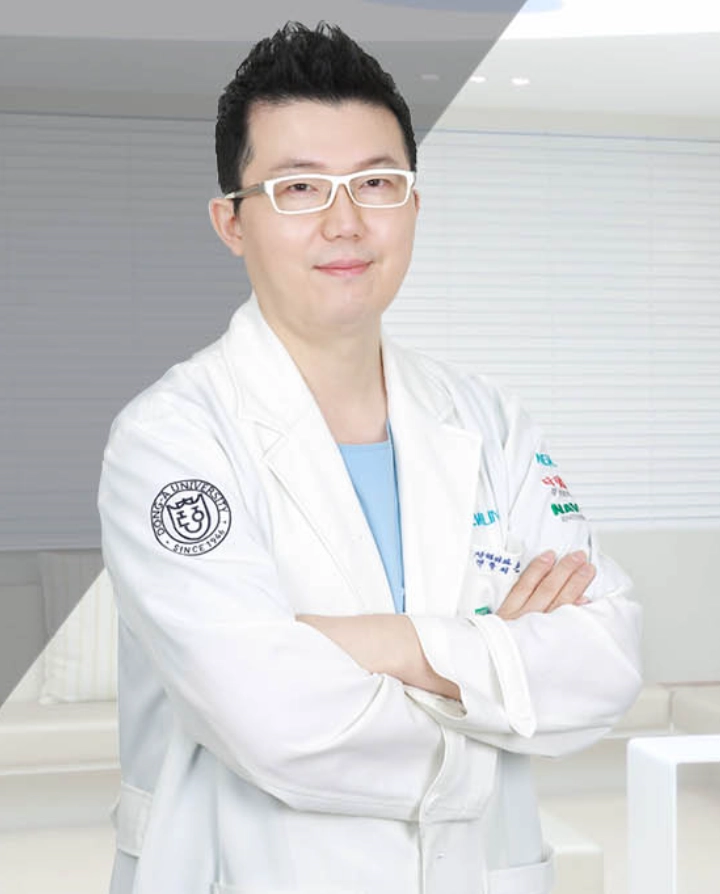 Surgeon Portrait
Reconstruction starts from a different question than rhinoplasty.
Not "what shape do you want" but "what support is left" — because everything that can be built depends on the answer.
Planning begins with what support remains: physical examination, 3D CT imaging, endoscopy where indicated, functional breathing assessment, and photographic analysis. Bring your previous surgical records if you have them.
Individual results and recovery experiences vary. This page is provided for general educational purposes and does not constitute a diagnosis, treatment recommendation, or guarantee of surgical results. Reconstruction works with weakened, altered, or deficient nasal structures, and some concerns may be improved rather than fully restored. Functional improvement applies to appropriately selected patients and cannot be guaranteed. All surgical procedures involve potential risks, including bleeding, infection, asymmetry, graft warping, absorption, displacement or extrusion, donor-site complications, breathing changes, altered sensation or smell, scarring, dissatisfaction with the outcome, and the possible need for further surgery. The appropriate treatment and expected outcome can only be determined following an in-person examination and consultation with a qualified medical professional. Newline Clinic is licensed under the Korean Medical Service Act.
Send your details and our international team will get back to you. No obligation — just a starting point.