SMAS Facelift · Surgical Facial Rejuvenation

SMAS facelift in Busan, Korea — repositioning the layer that actually descended.

An SMAS facelift is a surgical facial rejuvenation procedure designed to reposition deeper facial tissues rather than simply tightening the skin. Treatment is customized to your facial anatomy, skin quality, and degree of tissue laxity to create natural-looking, long-lasting rejuvenation.
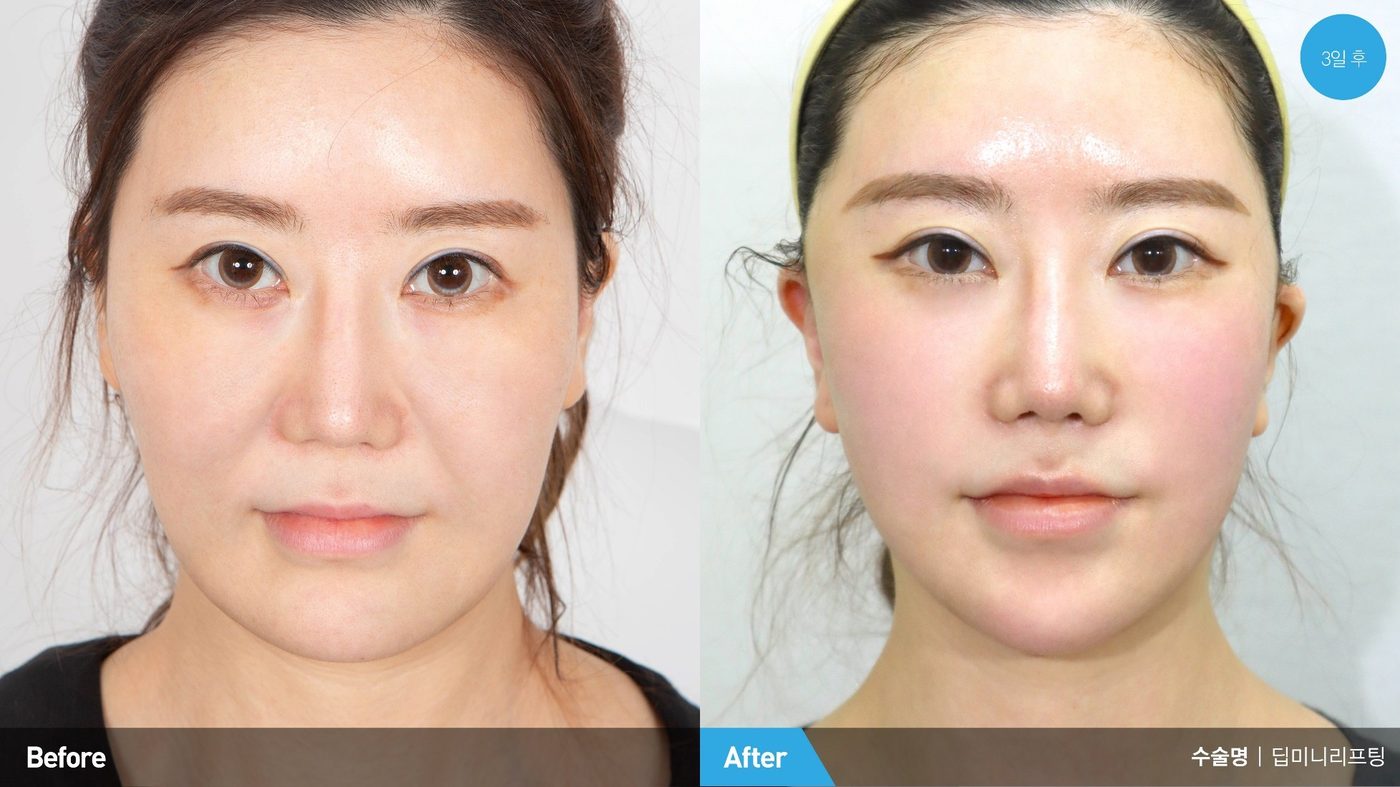
SMAS facelift natural facial profile result at Newline Clinic in Busan, Korea
SMAS Facelift
Watch: why the SMAS matters
SMAS-based surgical techniques Personalized lifting strategy Customized tissue repositioning Experienced surgical team Structured postoperative care
SMAS Facelift at a Glance

Support restored from beneath the skin.

Procedure
SMAS Facelift
Target Layer
SMAS (Deep Support)
Addresses
Jowls · Folds · Jawline
Skin Tension
Reduced
Planning
Individualized
Goal
Natural & Long-Lasting
What Is an SMAS Facelift?

The SMAS descends with age — so the SMAS is what gets lifted.

The superficial musculoaponeurotic system (SMAS) is a layer of connective tissue beneath the skin that plays an important role in facial support. As aging progresses, the SMAS descends, contributing to jowls, deep folds, and loss of jawline definition. An SMAS facelift repositions this deeper layer to restore facial contours while reducing tension on the skin.
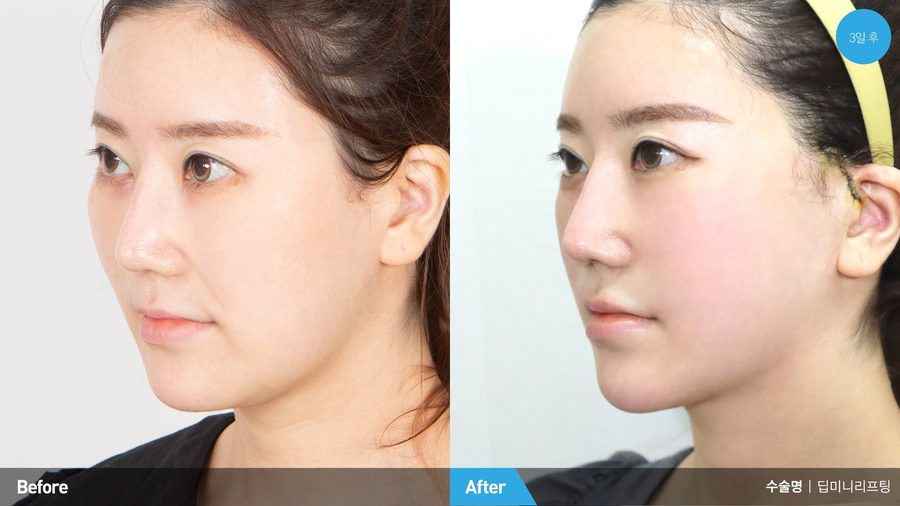
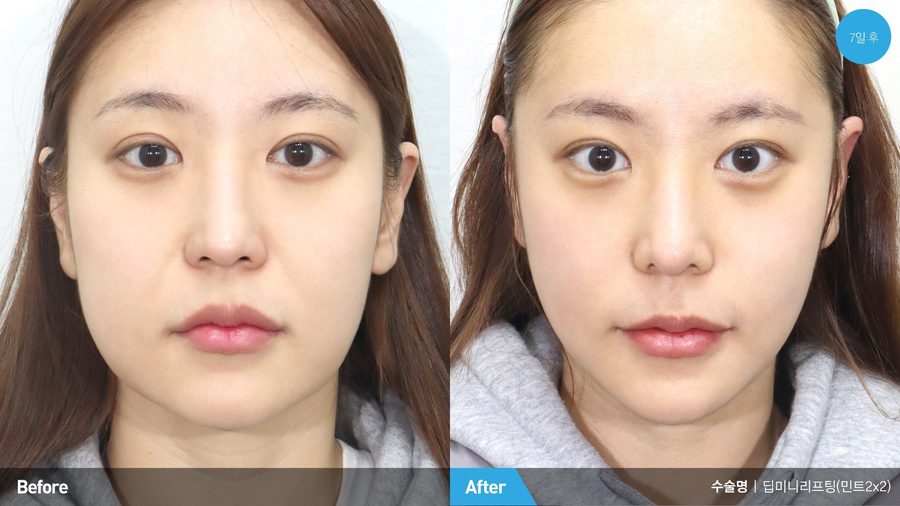
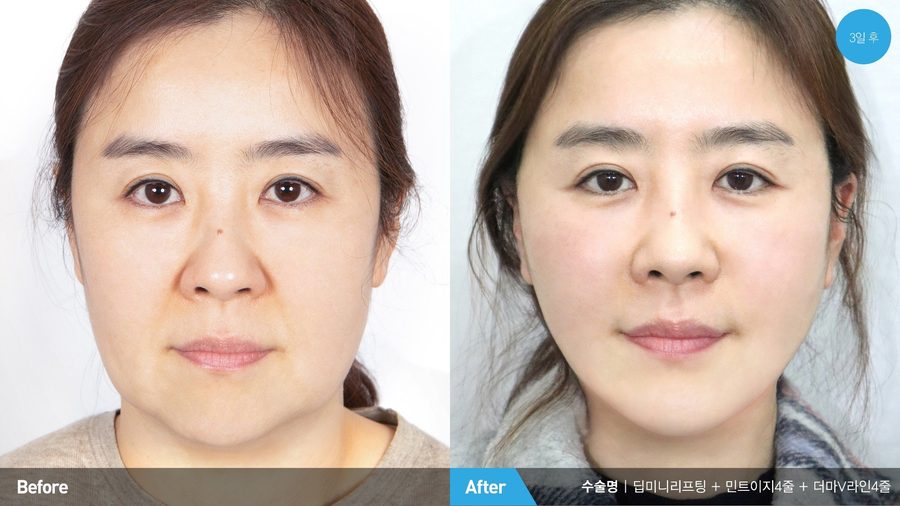
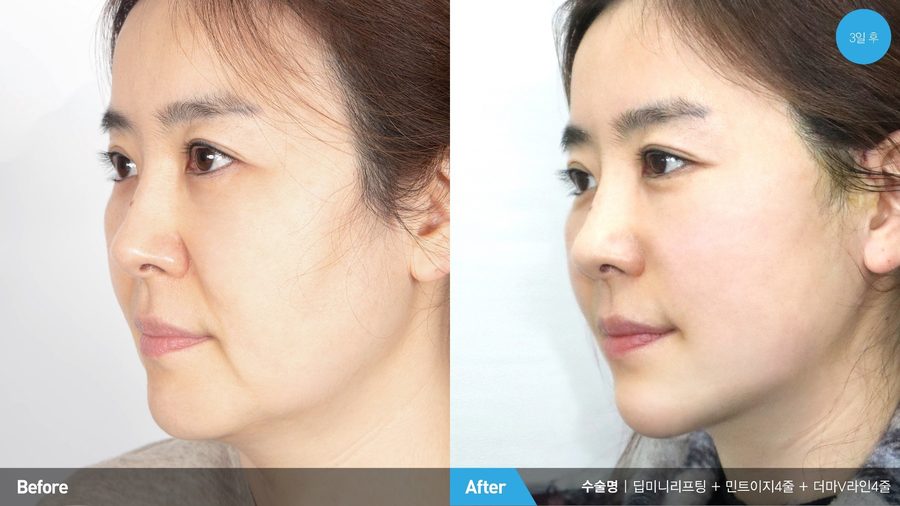
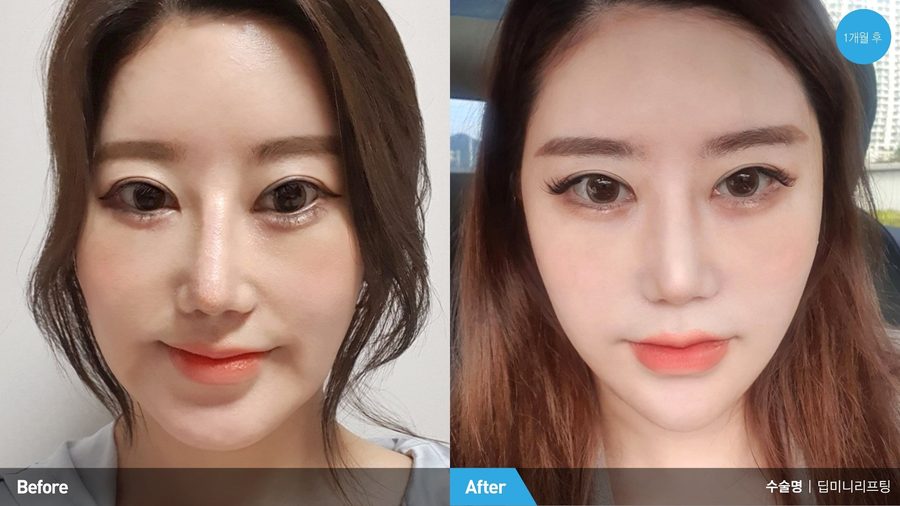
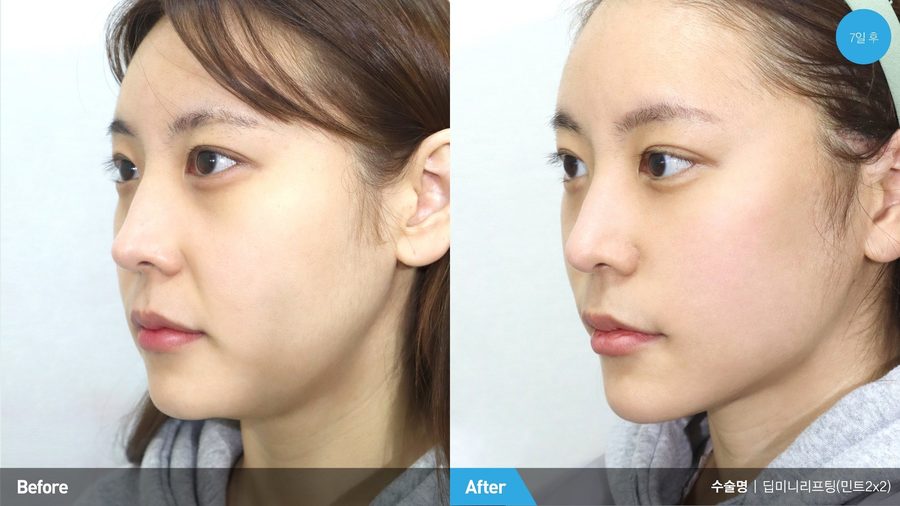
Results

Restored definition, angle by angle.

Individual results vary. Photos are standardized examples shown with patient consent and are not a guarantee of outcome.

Skin-Only vs. SMAS Lifting

Two different approaches to sagging.

Skin tightening aloneSMAS repositioning
What it addressesSurface skinThe deeper support layer that descended
Underlying causeNot addressedAddressed by repositioning the SMAS
Skin tensionRelies on skin tensionReduced tension on the skin
SupportMay provide longer-lasting support and improved jawline and neck definition

Whether an SMAS facelift is appropriate depends on your facial anatomy, skin thickness and elasticity, degree of tissue descent, goals, and overall health and suitability for surgery.

Procedure Overview

Typical steps of an SMAS facelift.

01

Assessment & Design

Preoperative facial assessment and design based on your anatomy and degree of descent.

Step Planning
02

Concealed Incisions

Carefully concealed incisions are used for access.

Step Access
03

SMAS Elevation

Elevation and repositioning of the SMAS layer — the core of the procedure.

Step The key step
04

Skin Refinement

Removal of excess skin when appropriate, without relying on skin tension for the lift.

Step Refinement
05

Closure & Care

Precise closure and postoperative care.

Step Closure
Personalized Surgical Planning

What the surgeon evaluates.

Facial Anatomy

Your individual structure guides the lifting strategy.

Skin Thickness & Elasticity

Skin quality affects the result and the closure.

Degree of Tissue Descent

How far the SMAS has descended determines the extent of repositioning.

Desired Aesthetic Goals

Your goals are reviewed against what the anatomy allows.

Overall Health

Health and suitability for surgery are assessed before planning.

Potential Benefits

What the procedure aims to improve.

Improved Facial Definition

Contours are restored by repositioning deeper tissue.

Reduced Jowls

Jowling associated with SMAS descent is addressed.

Smoother Cheeks & Jawline

Cheek and jawline contours are refined together.

Natural-Looking Rejuvenation

Reduced skin tension supports a natural rather than pulled look.

Personalized Planning

Treatment is customized to your anatomy and laxity.

Who May Benefit?

Candidates are evaluated individually.

You may consider it if you

  • Have jowls or deep folds from tissue descent
  • Have lost jawline definition
  • Want longer-lasting support than skin tightening
  • Prefer natural contours over a pulled appearance
  • Are medically suitable for surgery

A consultation determines your plan

  • A facelift involves incisions and therefore scars
  • Skin thickness and elasticity affect what is achievable
  • A mini or deep mini lift may suit milder laxity better
  • Ageing continues, so results are not permanent

A consultation and examination are required to determine whether an SMAS facelift is appropriate for your degree of descent.

Recovery and Aftercare

Recovery varies by individual and extent.

Swelling & Bruising

Temporary swelling and bruising are expected during initial healing.

Numbness

Temporary numbness is expected as the tissues heal.

Tightness

Tightness is expected during the initial healing period.

Follow-Up Appointments

Individualized postoperative instructions and follow-up appointments are provided.

Recovery varies by individual and surgical extent. Your surgeon provides a personalized timeline.

Inside Newline

Meet the team & clinic.

A message from the surgeon, a look inside the clinic, and stories from patients.

Message from the plastic surgeon at Newline Clinic
Meet the surgeon
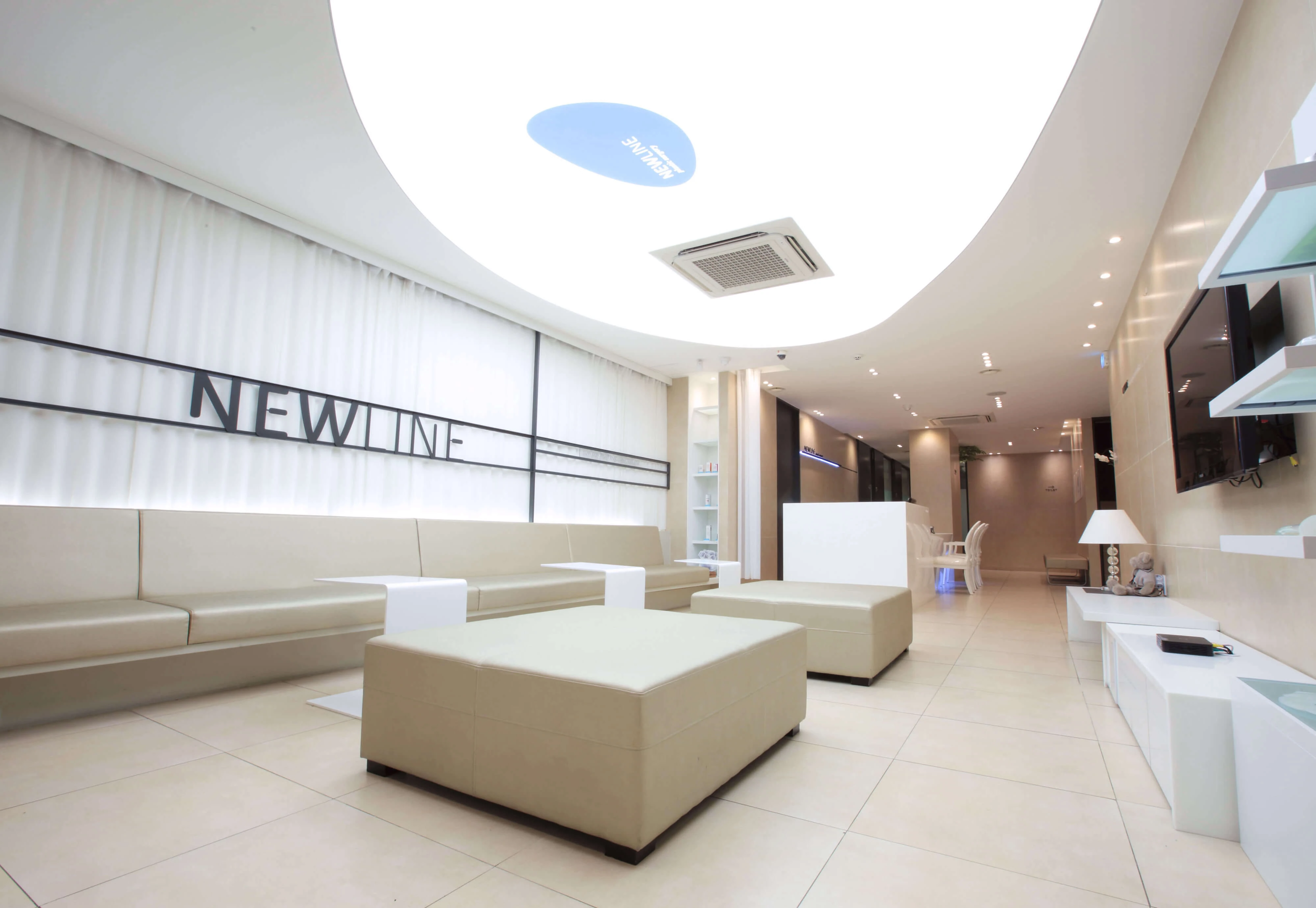
Newline Clinic tour in Busan
Clinic tour
Patient story

Set each block's data-video to your YouTube video ID to enable playback.

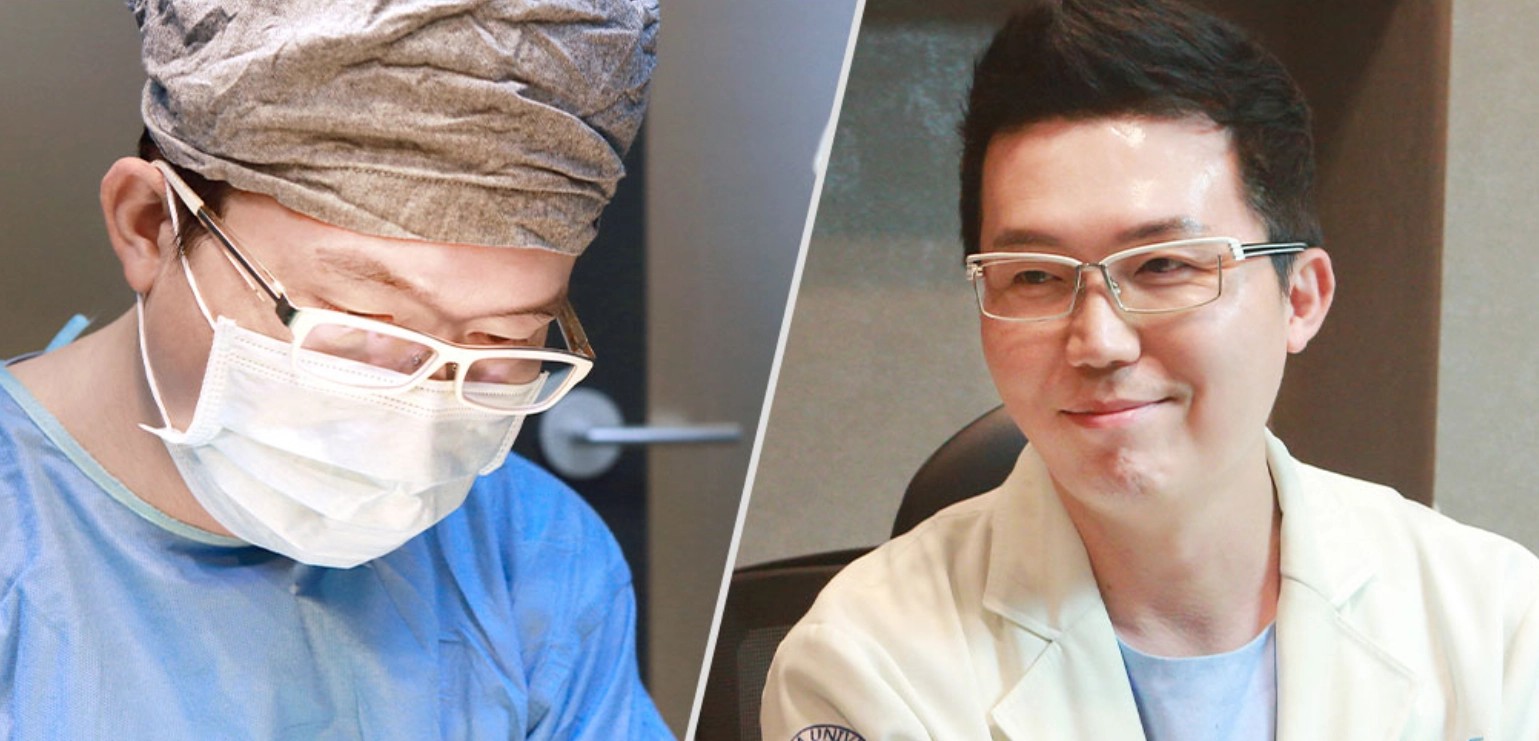
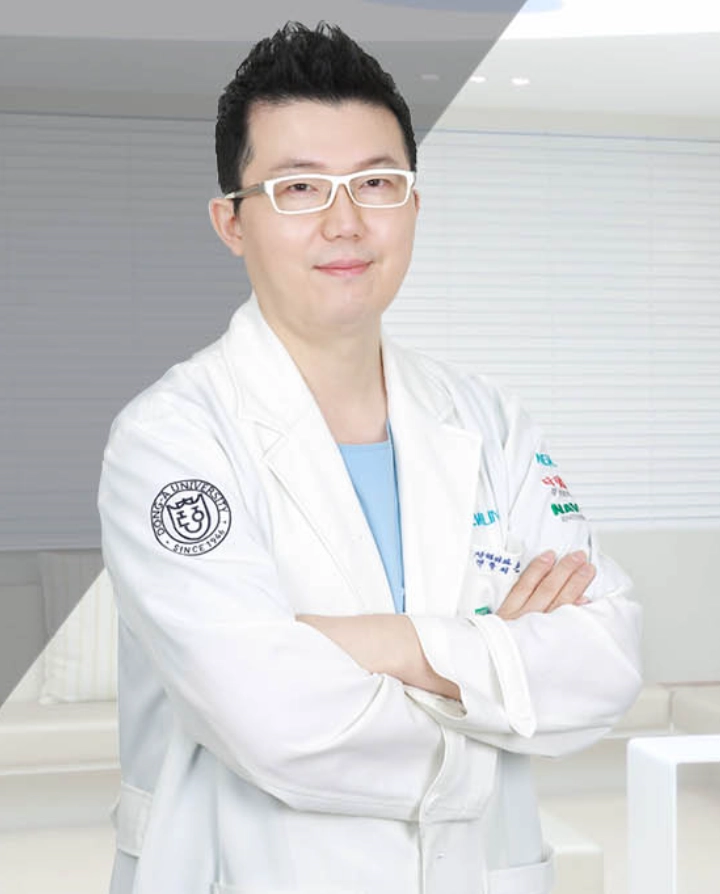
Dr. Son Hee-dong, plastic surgeon at Newline Clinic Busan Surgeon Portrait
About Your Surgeon

Dr. Son Hee-dong,
plastic
surgeon.

A face that looks pulled is a face that was lifted by its skin.

Lift the layer that actually descended, and the skin can simply be laid back down where it belongs.

  • Board-certified plastic surgeon · MD, PhD
  • Doctorate in Medicine, Dong-A University Graduate School
  • Clinical Professor, Dept. of Plastic Surgery, Dong-A University Hospital
  • Full member — Korean Society of Plastic and Reconstructive Surgeons, Korean Society for Aesthetic Plastic Surgery, Korean Rhinoplasty Society
  • Experience in SMAS facelift and facial rejuvenation
  • Consultation in Korean, English, Japanese and Chinese
View Full Profile
Frequently Asked

SMAS Facelift in Busan
questions.

What is the SMAS layer?
The superficial musculoaponeurotic system (SMAS) is a layer of connective tissue beneath the skin that plays an important role in facial support. As aging progresses it descends, contributing to jowls, deep folds, and loss of jawline definition.
How is an SMAS facelift different from a skin-only facelift?
Tightening the skin alone does not address the underlying cause of facial sagging. An SMAS facelift repositions the deeper layer to restore facial contours while reducing tension on the skin.
Who is a good candidate?
Suitability is individualized based on facial anatomy, skin thickness and elasticity, degree of tissue descent, desired aesthetic goals, and overall health and suitability for surgery.
How long is recovery?
Temporary swelling, bruising, numbness, and tightness are expected during the initial healing period. Recovery varies by individual and surgical extent, with individualized postoperative instructions and follow-up appointments.
Can a facelift be combined with eyelid surgery or fat grafting?
Combined procedures are considered depending on your anatomy, goals, and suitability for surgery. Whether a combination is appropriate is determined during personalized planning.
What does SMAS repositioning provide?
It may provide longer-lasting support, more natural facial contours, reduced skin tension, and improved jawline and neck definition compared with tightening skin alone.
Will there be visible scars?
The procedure uses carefully concealed incisions, but any facelift results in scars. Their placement and expected healing should be explained by your surgeon before surgery.
How long do results last?
Repositioning the SMAS may provide longer-lasting support than skin tightening alone, but ageing continues and individual results vary. No facelift stops the ageing process.
Would a mini facelift be enough for me?
That depends on your degree of tissue descent and skin laxity. Mini and deep mini approaches suit mild to moderate laxity, while more advanced descent may require a full SMAS facelift — determined during assessment.
Considering a Facelift in Busan?

Start with a
facial assessment.

Treatment is individualized based on facial anatomy, skin thickness and elasticity, degree of tissue descent, your goals, and your overall suitability for surgery — assessed before any design is made.

Visit the clinic

Find Newline in Busan.

Newline Clinic
40 Bujeon-ro 66beon-gil, Floors 2–5
Busanjin-gu, Busan 47287
Republic of Korea

+82 51 806 0100 · WhatsApp

Get Directions

Individual results and recovery experiences vary. This page is provided for general educational purposes and does not constitute a diagnosis, treatment recommendation, or guarantee of surgical results. A facelift does not stop the ageing process, and results are not permanent. All surgical procedures involve potential risks, including bleeding, infection, haematoma, asymmetry, scarring, altered or lost sensation, nerve injury, skin healing problems, hair loss around incisions, dissatisfaction with the outcome, and the possible need for additional surgery. The appropriate procedure and expected outcome can only be determined following an in-person examination and consultation with a qualified medical professional. Newline Clinic is licensed under the Korean Medical Service Act.

Request a Consultation

Tell us what you're considering.

Send your details and our international team will get back to you. No obligation — just a starting point.

Our international team replies in English, Japanese and Chinese — usually within one business day.