01
Small Hump Reduction
The excess prominence is removed to smooth the bridge profile, where the hump is limited and the underlying structure allows.
Hump nose rhinoplasty is a personalized procedure designed to reduce a prominent dorsal hump while preserving natural nasal function and facial harmony. Surgical planning is individualized according to hump size, nasal height, septal alignment, and overall facial proportions.

An excessive prominence of bone and/or cartilage along the bridge.
Because a dorsal hump involves bone, cartilage, or both, treatment depends on the underlying anatomy and may involve selective hump reduction, bridge refinement, structural support, and correction of associated nasal deviation. Reducing the hump without maintaining support is what leads to an unnatural or unstable bridge — which is why structural principles guide the plan.

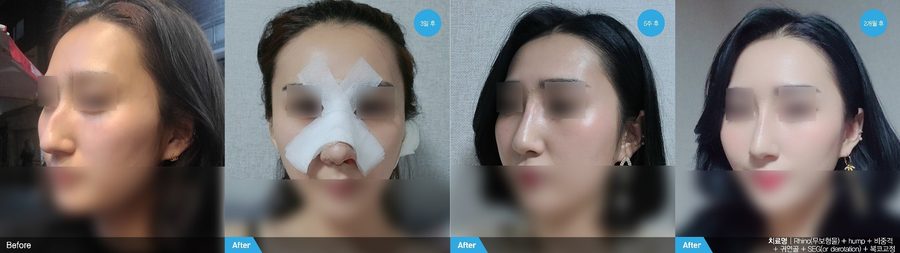
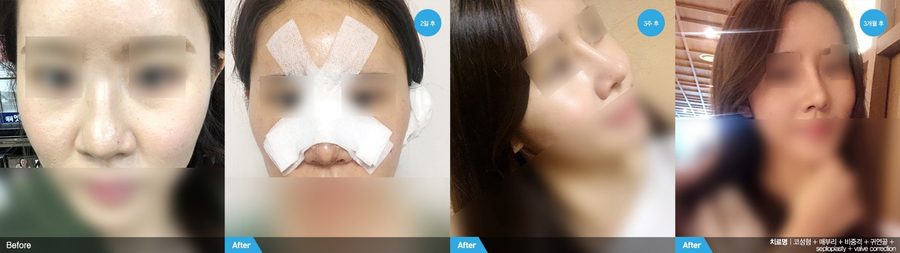

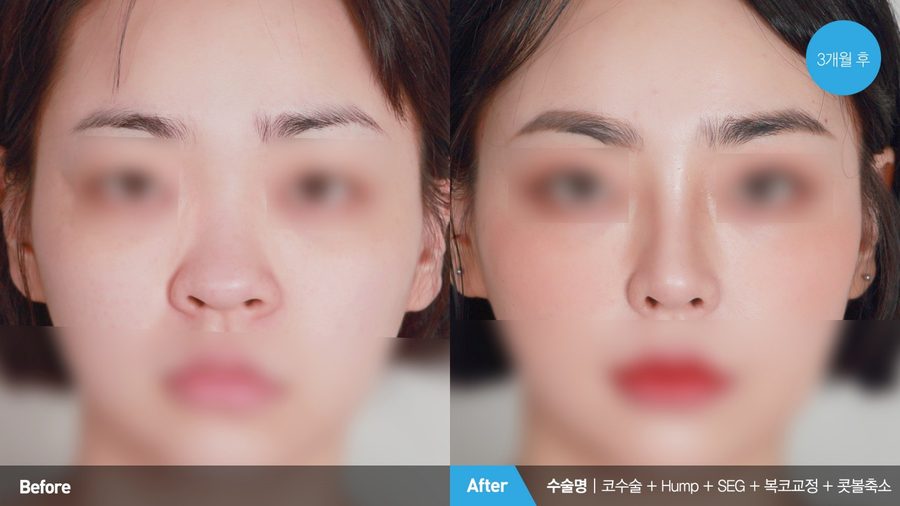
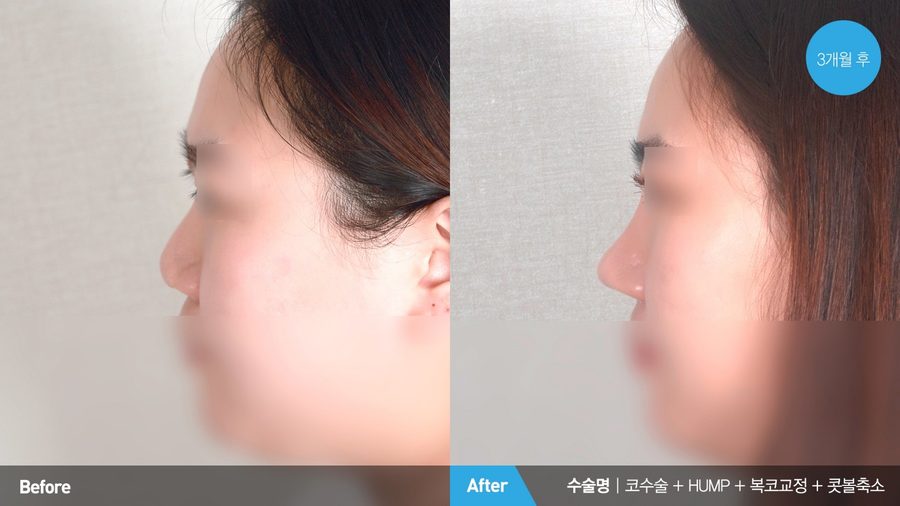
Individual results vary. Photos are standardized examples shown with patient consent and are not a guarantee of outcome.
The excess prominence is removed to smooth the bridge profile, where the hump is limited and the underlying structure allows.
Correction with bridge reshaping and structural support, because removing a larger hump changes the framework that supports the bridge.
Hump reduction combined with augmentation of a relatively low bridge using autologous tissue when appropriate.
| Why it matters | |
|---|---|
| Preserve balanced proportions | Over-reduction can leave the nose out of balance with the face |
| Create a smooth bridge profile | The goal is a smooth line, not merely a lower one |
| Maintain structural support | Support must be maintained after hump reduction, since removal alters the framework |
| Individualize the surgery | Planning follows hump size, nasal height, septal alignment, and facial proportions |
Reducing a hump changes the structures that support the bridge, which is why structural support is a stated principle rather than an optional extra.
The dorsal profile is refined into a smoother line.
The nose is balanced against your overall profile.
Support is maintained or reinforced after reduction.
Functional and cosmetic correction together when appropriate.
Balanced proportions rather than maximum reduction.
A consultation and examination are required to determine which approach suits your hump size, nasal height, and septal alignment.
Your profile concerns, any breathing symptoms, and goals are discussed.
Hump size, nasal height, septal alignment, and overall facial proportions are evaluated.
Small reduction, larger correction with support, or reduction with augmentation is selected.
Selective hump reduction, bridge refinement, structural support, and correction of associated deviation when indicated.
Swelling, bruising, and temporary nasal congestion are common during early healing.
Follow-up visits monitor healing and long-term results.
Swelling is common during early healing.
Bruising is common, particularly when bone is addressed.
Temporary congestion is common as internal tissues heal.
Follow-up visits monitor healing and long-term results.
Recovery varies depending on the extent of surgery. Your surgeon provides a personalized timeline.
A message from the surgeon, a look inside the clinic, and stories from patients.
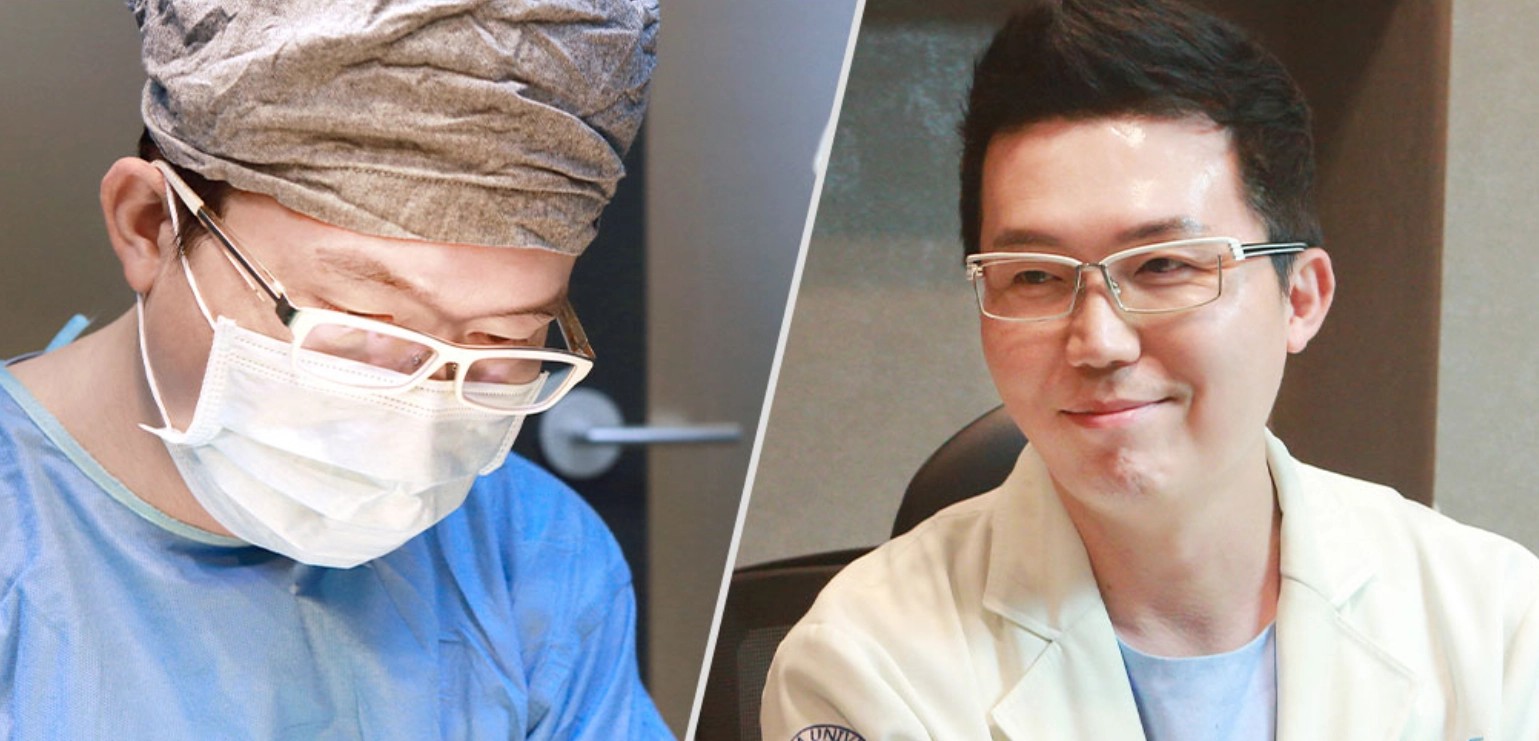

Set each block's data-video to your YouTube video ID to enable playback.
 Surgeon Portrait
Filing down a hump is the easy part.
What happens to the bridge afterwards — whether it stays supported, straight, and smooth — is the operation that actually matters.
Planning follows your hump size, nasal height, septal alignment, and overall facial proportions — because how much can be reduced, and what support is needed afterwards, depends on your anatomy.
Individual results and recovery experiences vary. This page is provided for general educational purposes and does not constitute a diagnosis, treatment recommendation, or guarantee of surgical results. All surgical procedures involve potential risks, including bleeding, infection, asymmetry, irregularity or residual prominence of the bridge, loss of structural support, breathing changes, altered sensation or smell, scarring, dissatisfaction with the outcome, and the possible need for revision surgery. The appropriate technique and expected outcome can only be determined following an in-person examination and consultation with a qualified medical professional. Newline Clinic is licensed under the Korean Medical Service Act.
Send your details and our international team will get back to you. No obligation — just a starting point.